

Osteopénia je stav, pri ktorom je minerálna hustota kostí ((BMD)) nižšia, než je normálne, ale ešte nie je natoľko nízka Enough, aby sa dala klasifikovať ako osteoporóza. Nachádza sa v klinicky významnej strednej polohe: kosti sú merateľne slabšie, než by mali byť, ale priestor pre účinnú intervenciu je stále široko otvorený. Je skutočne užitočné pochopiť, čo je osteopénia, kto je ohrozený, a aké kroky založené na dôkazoch môžu spomaliť alebo zvrátiť úbytok kostnej hmoty – čím skôr sa to rieši, tým lepší je dlhodobý výsledok.
Čo je osteopénia? Porozumenie kostnej minerálnej hustote
Kosť je živá tkanina, ktorá sa neustále rozpadá a znovu buduje. V mladom dospelom veku, tvorba kostí prevyšuje resorpciu, a vrcholovej kostnej hmoty sa zvyčajne dosahuje okolo 30. roku života. Po tomto bode, sa rovnováha postupne mení: resorpcia začína prevyšovať tvorbu, a hustota kostí pomaly klesá. U mnohých ľudí je tento proces postupný a dobre znášaný. U iných – v dôsledku genetiky, hormonálnych zmien, stravy, životného štýlu, alebo zdravotných problémov – je pokles strmší, čo vedie najskôr k osteopénii a potenciálne k osteoporóze.
Osteopénia sa štatisticky definuje pomocou T-skóre z DXA skenu ((dvojenergetická röntgenová absorpciometria)), ktorý porovnáva hustotu kostí pacienta s referenčným štandardom pre zdravého mladého dospelého:
- T-skóre medzi -1,0 a -2,5 → osteopénia
- T-skóre pod -2,5 → osteoporóza
Je dôležité pochopiť, že osteopénia nie je nevyhnutným predchodcom osteoporózy. Správnymi zásahmi, je možné úbytok kostnej hmoty výrazne spomaliť, stabilizovať, alebo dokonca čiastočne zvrátiť — najmä ak je zistená včas.
Príznaky: Prečo je osteopénia ťažko zistiteľná
Osteopénia sa často nazýva „tichým ochorením“, pretože u väčšiny ľudí nespôsobuje bolesť, žiadne zjavné fyzické zmeny, a žiadne jasné varovné príznaky. Mnoho ľudí zistí, že ňou trpí náhodou – počas vyšetrenia hustoty kostí, ktoré bolo nariadené z iného dôvodu, alebo po zlomenine spôsobenou relatívne malým pádom alebo nárazom, pri ktorom by sa za normálnych okolností neočakávalo zlomenie kosti.
Ako hustota kostí naďalej klesá, môžu sa objaviť niektoré nenápadné príznaky:
- Nepohodlie v kostiach a kĺboch – najmä v dolnej časti chrbta a bedrách, hoci toto nie je špecifické a má mnoho iných príčin.
- Postupné znižovanie výšky — keďže telá stavcov strácajú hustotu a začínajú sa mierne stláčať, môže v priebehu rokov dôjsť k merateľnému zníženiu výšky.
- Zmeny držania tela — môže sa vyvinúť progresívne predné zakrivenie hornej časti chrbtice (kyfóza) v dôsledku oslabenia hrudných stavcov.
- Zvýšená náchylnosť na zlomeniny TiB — zlomeniny zápästia, bedra, a chrbtice spôsobené nízkooderovým úrazom sú klinicky najvýznamnejším následkom.
Vzhľadom na túto asymptomatickú povahu, je pre osoby s rizikovými faktormi dôležité proaktívne skríningové vyšetrenie. Odporúčania sa líšia podľa krajiny, ale väčšina odporúča DXA vyšetrenie u žien po menopauze a mužov nad 70 rokov, ako aj u mladších jedincov s viacerými rizikovými faktormi.
Príčiny a rizikové faktory
Osteopénia je výsledkom nerovnováhy medzi tvorbou a resorpciou kostí v priebehu času. Tento proces urýchľujú nasledujúce faktory:
- Vek — nevyhnutná strata kostnej hmoty začína po dosiahnutí vrcholovej kostnej hmoty; u žien sa tento proces zrýchľuje po menopauze.
- Pohlavné hormóny — estrogén je silný inhibítor resorpcie kostí. Jeho prudký pokles v menopauze je hlavným faktorom urýchleného úbytku kostnej hmoty u žien, čo je dôvodom, prečo je osteoporóza u žien podstatne častejšia ako u mužov. U mužov, prispieva postupný pokles testosterónu k pomalšej strate kostnej hmoty v priebehu času.
- Genetika — rodinná anamnéza osteoporózy alebo zlomeniny bedrového kĺbu je jedným z najsilnejších nezávislých rizikových faktorov.
- Nedostatok vápnika a vitamínu D — vápnik je primárnym štrukturálnym minerálom kostí; vitamín D3 je potrebný na jeho vstrebávanie v čreve. Chronicky nedostatočný príjem oboch látok urýchľuje úbytok kostnej hmoty.
- Fyzická neaktivita — kosť je tkanivo citlivé na mechanické pôsobenie: cvičenie s váhou a silové cvičenie stimulujú tvorbu kostnej hmoty, zatiaľ čo dlhodobá neaktivita vedie k merateľnému úbytku kostnej hmoty.
- Fajčenie — súvisí s nižšou hustotou kostí prostredníctvom viacerých mechanizmov, vrátane zhoršeného vstrebávania vápnika a znížených hladín estrogénu.
- Nadmerná konzumácia alkoholu — narúša metabolizmus vápnika a činnosť buniek tvoriacich kosť (osteoblastov).
- Nízka telesná hmotnosť — nízky BMI je spojený so zníženou kostnou hmotou; extrémna chudoba a poruchy príjmu potravy predstavujú osobitné riziko.
- Zdravotné stavy — celiakia, zápalové ochorenia čriev, hypertyreóza, hyperparatyreóza, chronické ochorenie obličiek, a reumatoidná artritída všetky poškodzujú zdravie kostí prostredníctvom rôznych mechanizmov.
- Lieky — dlhodobé užívanie glukokortikosteroidov (, napr. prednizolónu), je najvýznamnejšou liekovou príčinou sekundárnej osteoporózy. Inhibítory protónovej pumpy, niektoré antiepileptiká, a niektoré liečby rakoviny tiež znižujú hustotu kostí.
Diagnóza: DXA skenovanie a iné testy
DXA sken je zavedeným štandardom pre meranie hustoty kostí. Je neinvazívne, trvá približne 10–20 minút, a poskytuje veľmi nízku dávku žiarenia. Meria minerálnu hustotu kostí v bedrovej chrbtici a bedrovom kĺbe — miestach, ktoré sú najrelevantnejšie pre predikciu rizika zlomenín. Výsledky sa vyjadrujú ako T-skóre (v porovnaní s referenčnou hodnotou pre mladých dospelých) a ako Z-skóre (v porovnaní s referenčnou hodnotou pre rovnakú vekovú skupinu).
Doplňujúce vyšetrenia, ktoré sa často vyžadujú spolu s DXA alebo po ňom, zahŕňajú:
- Vápnik a fosfor v krvi — na posúdenie minerálneho stavu
- 25-hydroxyvitamín D v sére — štandardný test na stanovenie hladiny vitamínu D; najdôležitejšie samostatné meranie pre riadenie zdravia kostí
- Parathormón (PTH) — reguluje metabolizmus vápnika; zvýšené hladiny môžu urýchliť resorpciu kostí
- Markery kostného obratu (napr. osteokalcín, CTX) — môžu indikovať rýchlosť kostnej remodelácie a niekedy sa používajú na monitorovanie odpovede na liečbu
- Testy funkcie štítnej žľazy a hormonálne profily — ak je to klinicky indikované
Liečba a manažment: Mnohostranný prístup
Manažment osteopénie sa zameriava na modifikáciu rizikových faktorov, ktoré má človek pod kontrolou. Pre väčšinu ľudí bez závažného základného ochorenia, to znamená optimalizáciu životného štýlu a nutričnú podporu — nie farmakologickú intervenciu, ktorá je zvyčajne vyhradená pre potvrdenú osteoporózu alebo veľmi vysoké riziko zlomenín.
Cvičenie: Najmenej využívaná liečba
Cvičenie s váhou a silové cvičenie patria medzi najúčinnejšie nefarmakologické intervencie pre zdravie kostí. Aktivity, ktoré zaťažujú kostru – chôdza, beh, turistika, tanec, tenis, a silový tréning – stimulujú aktivitu osteoblastov a môžu merateľne zvýšiť hustotu kostí. Trénovanie rovnováhy a koordinácie (, ako je jóga alebo tai-chi), tiež znižuje riziko pádov, čo je pre prevenciu zlomenín rovnako dôležité ako samotná hustota kostí. Súčasné odporúčania vo všeobecnosti odporúčajú kombináciu aeróbneho cvičenia s váhou a progresívneho silového tréningu aspoň 3–4-krát týždenne.
Výživa: Vápnik, vitamín D3, a ďalšie
Dostatočný príjem vápnika a vitamínu D3 je pre zdravie kostí nevyhnutný. Stravovacie zdroje by mali byť prvoradé: mliečne výrobky, obohatené rastlinné mlieka, sardinky a konzervovaný losos (konzumované s kosťami), mandle, brokolica, kel, a tofu – to všetko prispieva významným množstvom vápnika. Vitamín D3, sa však, v významných množstvách nachádza len v veľmi malom počte potravín — tučné ryby a vaječné žĺtky poskytujú malé množstvá, ale väčšina ľudí v severnej a strednej Európe potrebuje doplnky stravy aspoň počas časti roka.
Všeobecné odporúčané príjmy pre zdravie kostí (skutočné individuálne potreby sa môžu líšiť — váš lekár vám môže poradiť na základe výsledkov krvných testov):
- Vápnik — 1, 000–1, 200 mg denne zo všetkých zdrojov; doplnkový vápnik sa pre optimálne vstrebávanie najlepšie užíva v rozdelených dávkach spolu s jedlom
- Vitamín D3 — minimálne 800–1, 000 IU denne pre dospelých; mnohé európske zdravotné odporúčania odporúčajú 1 500–2 000 IU na jeseň a v zime, pričom hladina 25-OH D v krvi by mala byť ideálne medzi 50–75 nmol/l
- Vitamín K2 (MK-7) — nové dôkazy potvrdzujú úlohu K2 pri smerovaní vápnika do kostí a preč z mäkkých tkanív; 100–200 mcg MK-7 denne sa bežne užíva spolu s vitamínom D3
- Horčík — nevyhnutný pre aktiváciu vitamínu D a tvorbu kostnej matrix; jeho nedostatok je bežný a často prehliadaný
Naša kolekcia vitamínu D zahŕňa širokú škálu silných dávok a formátov, vrátane kombinovaných prípravkov D3+K2 navrhnutých tak, aby spoločne pôsobili na zdravie kostí:


Aliness
Aliness Vápnik zo škrupiny ustrice s vitamínom K2 MK-7 a D3 - 100 tabliet
Bežná cena €12.19Jednotková cena€0.12 za položku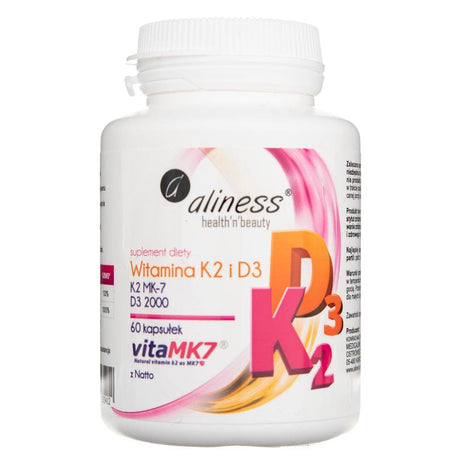


Aliness
Aliness vitamín K2 MK-7 100 mcg s Natto D3 - 60 kapsúl
Bežná cena €12.19Jednotková cena€0.20 za položku


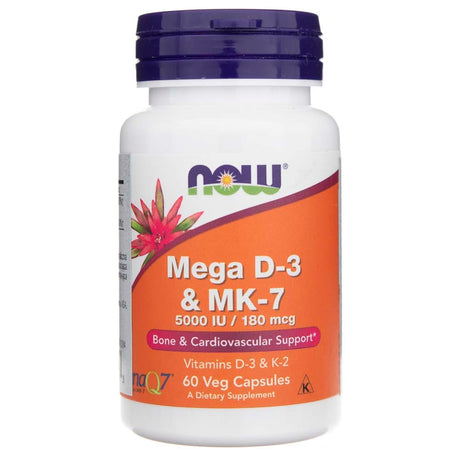


Now Foods
Now Foods Mega D-3 a MK-7 - 60 veg. kapsúl
Bežná cena €17.99Jednotková cena€0.30 za položku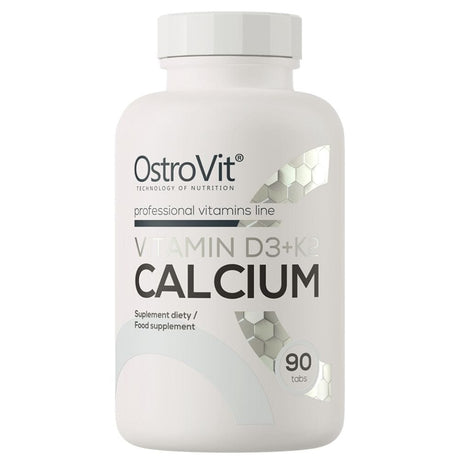
 10% zľava
Ostrovit
Ostrovit Vitamín D3 + K2 + Vápnik - 90 tabliet
Predajná cena €6.47 Bežná cena €7.19Jednotková cena€0.07 za položku


 15% zľava
Aura Herbals
Aura Herbals Vitamín D3 4000 IU + K2, MCT, kvapky - 50 ml
Predajná cena €13.84 Bežná cena €16.29Jednotková cena€27.68 /100 ml


Pre tých, ktorí uprednostňujú dopĺňať vápnik, vitamín D3, a horčík samostatne, aby mohli kontrolovať jednotlivé dávky, naša kolekcia doplnkov vápnika ponúka samostatné aj kombinované možnosti:


Doctor's Best
Doctor's Best Vitamín D3 5000 IU - 180 mäkkých gélov
Bežná cena €9.99Jednotková cena€0.06 za položku


Now Foods
Now Foods Vitamín D3 2000 IU - 120 mäkkých gélov
Bežná cena €6.19Jednotková cena€0.05 za položku


Osteopénia u žien: Prečo je riziko vyššie
Ženy sú neprimerane postihnuté osteopéniou a osteoporózou kvôli urýchlenej strate kostnej hmoty, ktorá nasleduje po menopauze. Estrogén za normálnych okolností spomaľuje resorpciu kostí tým, že inhibuje aktivitu osteoklastov; keď hladiny estrogénu v menopauze prudko klesnú, tento ochranný účinok sa stráca a kostný obrat sa výrazne zrýchľuje. Ženy môžu v priebehu piatich až siedmich rokov po menopauze stratiť až 20 % svojej kostnej hustoty.
Medzi ďalšie faktory špecifické pre ženy patria: menšiu počiatočnú kostnú hmotu ako muži (, čo znamená, že absolútna rezerva je nižšia),; nároky na kostru počas tehotenstva a dojčenia (, ktoré dočasne čerpajú vápnik z materských kostí),; a vyššiu prevalenciu ochorení, ako je celiakia, ktoré zhoršujú vstrebávanie vápnika. Ženy v postmenopauze predstavujú skupinu, ktorá má najväčšiu šancu profitovať z intervencie v oblasti životného štýlu aj z lekárskeho manažmentu osteopénie — hoci muži by nemali byť sebauspokojení, keďže osteoporóza u mužov je nedostatočne diagnostikovaná a čoraz viac sa uznáva ako významný klinický problém.
Hormonálna substitučná terapia (HRT) je účinnou možnosťou na zachovanie kostnej hustoty u žien v peri- a postmenopauze, ale rozhodnutie o jej použití si vyžaduje starostlivé zváženie prínosov a individuálnych rizikových faktorov a musí byť prijaté v spolupráci s lekárom.
Mýty o osteopénii
Osteopéniou trpia len starší ľudia. Nepravda — u mladších ľudí so zlým stravovaním, nízkou fyzickou aktivitou, poruchami príjmu potravy, alebo určitými zdravotnými stavmi sa môže osteopénia vyvinúť v akomkoľvek veku.
Samotné doplnky stravy ju môžu predchádzať alebo zvrátiť. Čiastočne pravda, ale neúplné — doplnky stravy riešia nutričné nedostatky, ale cvičenie, strava, a zmeny životného štýlu sú rovnako dôležité a žiadny doplnok stravy ich nenahradí.
Osteopénia vždy prechádza do osteoporózy. Nie je to nevyhnutné – včasná identifikácia a vhodná liečba môžu zastaviť alebo výrazne spomaliť jej progresiu. Mnoho ľudí s osteopéniou nikdy neochorie na osteoporózu.
Muži sa nemusia starať o zdravie kostí. Nesprávne — približne jedna z troch zlomenín bedrového kĺbu na celom svete sa vyskytuje u mužov, a osteoporóza u mužov má vyššiu úmrtnosť ako u žien.
Viac vápnika je vždy lepšie. Nie nevyhnutne — nadbytok vápnika z doplnkov (, nie z potravín), nie je prospešnejší a u určitých populácií môže predstavovať kardiovaskulárne riziká. Cieľom je adekvátny, nie maximálny, príjem.
Monitorovanie a dlhodobá liečba
Pre každého, u koho bola diagnostikovaná osteopénia, je dôležité opakovať DXA vyšetrenie každé jeden až dva roky (alebo podľa odporúčania lekára), aby bolo možné sledovať pokrok. Ak je hustota kostí stabilná alebo sa zlepšuje, súčasná liečba funguje. Ak napriek intervencii v oblasti životného štýlu a výživy naďalej klesá, je možné s odborníkom prebrať farmakologické možnosti – najčastejšie bisfosfonáty.
Zdravie kostí je celoživotný projekt. Návyky nadobudnuté v mladšom veku určujú vrcholnú kostnú hmotu, ktorá poskytuje rezervu pre neskoršie desaťročia. U tých, ktorí už vykazujú úbytok kostnej hustoty, aj keď len mierny, môže dôsledné zlepšenie stravovania, cvičenia, hladiny vitamínu D, a príjmu vápnika významne ovplyvniť ďalší vývoj. Naša širšia kolekcia produktov pre kosti, kĺby a chrupavky pokrýva celý rad doplnkov stravy relevantných pre zdravie kostry.
Tento článok má iba informatívny charakter a nenahrádza lekársku radu. Ak máte zdravotné ťažkosti, ste tehotná, dojčíte alebo užívate lieky, poraďte sa s lekárom alebo lekárnikom. Doplnky výživy nenahrádzajú pestrú stravu.


