

Glutatión sa často označuje za „hlavný antioxidant“ v tele – a to z dobrého dôvodu. Na rozdiel od antioxidantov, ktoré prijímame z potravín a doplnkov stravy, sa glutatión syntetizuje priamo vo vnútri každej bunky v tele, kde nepretržite pôsobí na neutralizáciu voľných radikálov, podporuje detoxikáciu, a udržiava funkciu imunitného systému. Pochopenie toho, čo je glutatión, prečo jeho hladiny klesajú a ako ich podporiť, je skutočne dôležité pre každého, kto sa zaujíma o dlhodobé zdravie buniek.
Čo je glutatión?
Glutatión (L-glutatión, často skrátene GSH) je tripeptid — malá molekula zložená z troch aminokyselín: cysteínu, glycínu, a kyseliny glutámovej. Vytvára sa endogénne prakticky v každej bunke tela, pričom najvyššie koncentrácie sa nachádzajú v pečeni, kde zohráva ústrednú úlohu v metabolickom detoxikovaní. Na rozdiel od väčšiny antioxidantov, glutatión pôsobí skôr vo vnútri buniek ako v krvnom riečisku, čo mu dáva jedinečnú schopnosť chrániť bunkové štruktúry zvnútra von.
Glutatión existuje v dvoch formách: aktívnej, redukovanej forme (GSH) a oxidovanej forme (GSSG). Pomer GSH k GSSG sa vo výskume používa ako indikátor bunkového oxidačného stresu — zdravé bunky si udržiavajú silne redukovaný stav, pričom väčšina ich glutatiónu je v aktívnej forme GSH.
Čo robí glutatión? Kľúčové funkcie
Úloha glutatiónu v tele presahuje rámec jednoduchého antioxidačného pôsobenia:
- Antioxidantná obrana — priamo neutralizuje reaktívne formy kyslíka (voľné radikály) a regeneruje ostatné antioxidanty vrátane vitamínov C a E späť do ich aktívnych foriem. Táto funkcia „recyklovania antioxidantov“ znamená, že dostatočné množstvo glutatiónu zosilňuje účinnosť ostatných antioxidantov v celom tele.
- Detoxikácia fázy II — v pečeni, sa glutatión viaže s toxínmi, ťažkými kovmi, a škodlivými metabolitmi, čím ich robí rozpustnými vo vode a umožňuje ich vylučovanie žlčou alebo močom. Toto je primárny mechanizmus, ktorým pečeň spracováva mnohé environmentálne znečisťujúce látky, lieky, a metabolické odpadové produkty.
- Regulácia imunitného systému — podporuje proliferáciu a funkciu lymfocytov (bielych krviniek), najmä T-buniek a prirodzených zabíjačských buniek. Nízke intracelulárne hladiny glutatiónu boli vo výskumných podmienkach konzistentne spájané so zhoršenými imunitnými reakciami.
- Oprava DNA a zdravie buniek — prispieva k oprave oxidačného poškodenia DNA a hrá úlohu v regulácii apoptózy (programovanej bunkovej smrti), čím pomáha telu odstrániť poškodené bunky skôr, ako sa môžu abnormálne množiť.
- Ochrana mitochondrií — mitochondrie sú primárnym miestom produkcie bunkovej energie a zároveň najväčším zdrojom reaktívnych foriem kyslíka. Mitochondriálny glutatión je samostatná zásoba, ktorá je kľúčová pre ochranu týchto energetických organel pred oxidačnými vedľajšími produktmi ich vlastnej činnosti.
Tri aminokyselinové stavebné bloky
Každá z troch aminokyselín v glutatióne prispieva k jeho celkovej aktivite osobitnou funkciou. Cysteín je prekurzorom obmedzujúcim rýchlosť — schopnosť organizmu syntetizovať glutatión je do veľkej miery určená množstvom dostupného cysteínu. Cysteín obsahuje tiolovú skupinu obsahujúcu síru (-SH), ktorá je chemicky aktívnym miestom molekuly glutatiónu; práve táto skupina sa priamo viaže na voľné radikály a toxíny a neutralizuje ich. Glycín zabezpečuje štrukturálnu stabilitu a je tiež potrebný na syntézu iných dôležitých proteínov. Kyselina glutámová (glutamát) je endogénna aminokyselina, ktorá sa podieľa na mnohých metabolických dráhach a je integrálnou štrukturálnou zložkou tripeptidu.
Keďže dostupnosť cysteínu je hlavným úzkym miestom v syntéze glutatiónu, stratégie na zvýšenie hladín glutatiónu sa často zameriavajú na dodávanie cysteínu vo forme doplnkov — najúčinnejšie vo forme N-acetylcysteínu ((NAC)), ktorý je stabilnejším a biologicky dostupnejším prekurzorom.
Prírodné potravinové zdroje, ktoré podporujú glutatión
Telo nedokáže absorbovať neporušený glutatión z potravy obzvlášť efektívne — väčšina perorálneho glutatiónu z potravinových zdrojov sa rozloží v tráviacom trakte skôr, ako sa dostane do krvného obehu. Avšak, strava bohatá na prekurzorové aminokyseliny a podporné kofaktory podporuje vlastnú syntézu v tele:
- Krížovité zeleniny (brokolica, karfiol, ružičkový kel, kapusta) — obsahujú sulforafan a iné zlúčeniny, ktoré regulujú enzýmy syntézy glutatiónu.
- Cesnak a cibuľa — bohaté na organické zlúčeniny síry vrátane alicínu, ktoré poskytujú cysteínové zlúčeniny síry, ktoré podporujú produkciu glutatiónu.
- Špargľa — jedna z mála potravín, ktorá obsahuje významné množstvo glutatiónu v jeho prirodzenej forme, spolu s prekurzorovými živinami.
- Avokádo a špenát — poskytujú prekurzory glutatiónu spolu s ďalšími antioxidantmi.
- Orechy a semená (najmä vlašské orechy a slnečnicové semená) — poskytujú selén, ktorý je nevyhnutným kofaktorom glutatiónperoxidázy, enzýmu, ktorý umožňuje glutatiónu neutralizovať peroxid vodíka. Bez dostatočného množstva selénu, nemôže glutatiónový systém účinne fungovať bez ohľadu na hladiny glutatiónu.
- Mliečne výrobky, hydina, a ryby — sú dobrými zdrojmi cysteínu a ďalších aminokyselín potrebných na syntézu glutatiónu.
- Citrusové plody — vitamín C synergizuje s glutatiónom, a pomáha ho regenerovať z jeho oxidovanej formy (GSSG) späť na aktívny GSH.
Prečo hladiny glutatiónu klesajú
Glutatión sa neustále spotrebúva a regeneruje. Keď dopyt prevyšuje schopnosť organizmu ho doplniť — či už v dôsledku zníženej syntézy, zvýšenej spotreby, alebo oboch — hladiny klesajú. Medzi hlavné faktory vedúce k vyčerpaniu glutatiónu patria:
- Starnutie — produkcia glutatiónu postupne klesá od raného dospelosti. Výskumy konzistentne ukazujú nižšie hladiny glutatiónu u starších populácií, čo koreluje so zvýšenými markermi oxidačného stresu a poškodenia buniek.
- Chronický oxidačný stres — dlhodobá expozícia voľným radikálom (spôsobená znečistením, fajčením, alkoholom, spracovanými potravinami, alebo intenzívnym cvičením bez dostatočného odpočinku Ecover) urýchľuje spotrebu zásob GSH.
- Chronické ochorenia — stavy vrátane cukrovky 2. typu, nealkoholového steatózneho ochorenia pečene, autoimunitných porúch, a neurodegeneratívnych ochorení sú spojené so značne zníženými hladinami glutatiónu — a to ako dôsledok, tak v niektorých prípadoch aj ako prispievajúci faktor.
- Nevhodná strava — nedostatočný príjem cysteínu, glycínu, selénu, alebo vitamínu C narúša syntézu a regeneráciu.
- Vystavenie toxínom — ťažké kovy, pesticídy, rozpúšťadlá, lieky, a alkohol, všetky vyžadujú glutatión na svoju detoxikáciu, čím sa zvyšuje dopyt.
Dôsledky chronicky nízkej hladiny glutatiónu sú rozsiahle: väčšia náchylnosť na oxidačné poškodenie buniek, znížená detoxikačná schopnosť pečene, oslabené imunitné reakcie, a zvýšená náchylnosť TiB na stavy spojené s nahromadeným oxidačným stresom.
Suplementácia: Možnosti a biologická dostupnosť
Suplementácia samotného glutatiónu bola v minulosti obmedzená nízkou perorálnou biologickou dostupnosťou — štandardné kapsulové formy sa vo veľkej miere rozkladajú v gastrointestinálnom trakte. Avšak, táto oblasť zaznamenala značný pokrok, a niekoľko prístupov teraz ponúka výrazne lepšiu absorpciu:
Priame doplnky glutatiónu
Redukovaný L-glutatión (, aktívna forma, GSH), vo forme štandardných kapsúl alebo tabliet poskytuje užitočnú perorálnu dávku, hoci absorpcia je nižšia ako pri lipozomálnom podaní. Naďalej sa široko používa a je účinný na všeobecnú antioxidačnú podporu. Lipozomálny glutatión — zapuzdrený v lipidových časticiach, ktoré chránia molekulu v tráviacom trakte a uľahčujú bunkové vstrebávanie — ponúka výrazne zlepšenú biologickú dostupnosť a je najpokročilejšou formou perorálneho podávania, ktorá je v súčasnosti k dispozícii.

Now Foods
Now Foods Glutathion 500 mg - 60 rastlinných kapsúl
Bežná cena €29.29Jednotková cena€0.49 za položku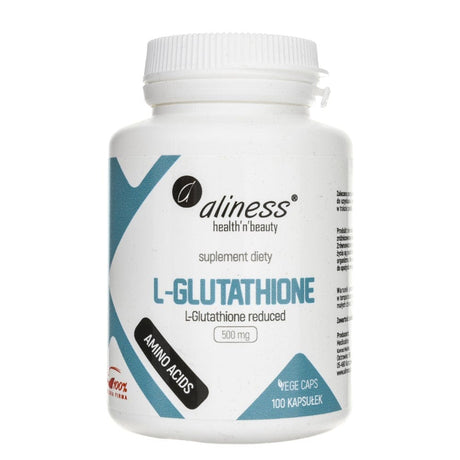


Aliness
Aliness L-Glutathion redukovaný 500 mg - 100 Veg kapsúl
Bežná cena €28.19Jednotková cena€0.28 za položku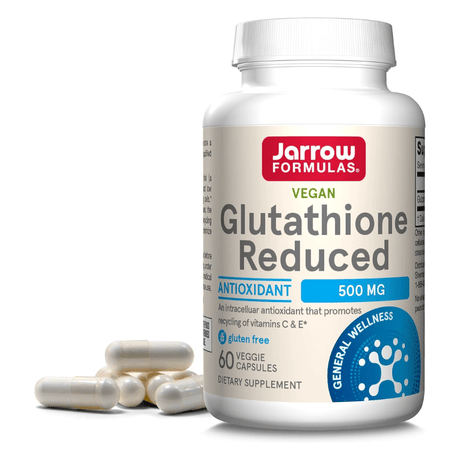


Jarrow Formulas
Jarrow Formulas Glutatión redukovaný 500 mg - 60 rastlinných kapsúl
Bežná cena €42.39Jednotková cena€0.71 za položku
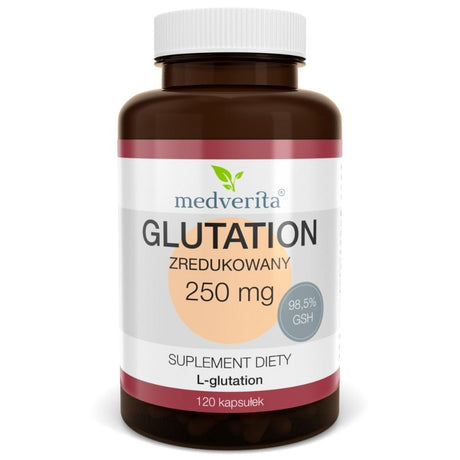
Medverita
Medverita Glutatión redukovaný 250 mg - 120 kapsúl
Bežná cena €13.29Jednotková cena€0.11 za položku


Doplnky prekurzorov: NAC a podporné kofaktory
N-acetylcysteín (NAC) je najrozsiahlejšie skúmaný prístup k zvýšeniu intracelulárneho glutatiónu. Ako stabilná, a dobre vstrebateľná forma cysteínu — aminokyseliny obmedzujúcej rýchlosť syntézy glutatiónu — NAC spoľahlivo zvyšuje hladiny GSH v širokom spektre stavov. Má za sebou desaťročia klinického používania, vrátane nemocničného prostredia pri predávkovaní paracetamolom, kde je mechanizmom účinku obnovenie glutatiónu.
Popri NAC, selén (ako kofaktor glutatiónperoxidázy) a kyselina alfa-lipoová kyselina (, ktorá regeneruje glutatión z jeho oxidovanej formy a má nezávislú antioxidačnú aktivitu), sú najviac vedecky podložené podporné živiny. Naša kolekcia antioxidantov spája všetky tieto:

Now Foods
Now Foods NAC N-acetyl cysteín 600 mg - 100 veg. kapsúl
Bežná cena €16.09Jednotková cena€0.16 za položku 5% zľava
Kenay
Kenay NAC N-acetyl-cysteín - 60 kapsúl
Predajná cena €8.05 Bežná cena €8.49Jednotková cena€0.13 za položku
Now Foods
Now Foods Kyselina alfa-lipoová 100 mg - 60 veg. kapsúl
Bežná cena €9.79Jednotková cena€0.16 za položku


Dávkovanie a praktické pokyny
Typické dávky vo výskume a bežnej praxi:
- Priamy glutatión (štandardné perorálne) — 250–500 mg denne
- Lipozomálny glutatión — často 100–200 mg denne kvôli vyššej biologickej dostupnosti; postupujte podľa pokynov pre konkrétny produkt
- NAC — 600–1800 mg denne v závislosti od účelu; 600 mg raz alebo dvakrát denne je typické pre všeobecnú antioxidačnú podporu
- Selén — 100–200 mcg denne; neprekračujte 400 mcg (stanovenú tolerovateľnú hornú hranicu príjmu)
- Kyselina alfa-lipoová — 100–600 mg denne v závislosti od indikácie
Rovnako ako pri všetkých doplnkoch, sa individuálne potreby líšia. Pred začatím užívania sa odporúča poradiť sa s lekárom,, najmä ak trpíte nejakým ochorením alebo užívate lieky. Doplnky na podporu detoxikácie pečene a často dopĺňajú stratégie s glutatiónom,, keďže pečeň je hlavným miestom detoxikačnej aktivity glutatiónu.
Možné vedľajšie účinky a kontraindikácie
Glutatión a NAC sú vo všeobecnosti dobre tolerované. Hlásené vedľajšie účinky pri štandardných dávkach sú zriedkavé, ale môžu zahŕňať mierne gastrointestinálne ťažkosti, nadúvanie, alebo — zriedkavo — kožné reakcie. Vyššie dávky NAC môžu občas spôsobiť nevoľnosť; užívanie spolu s jedlom to zvyčajne zmierňuje.
Špecifické upozornenia, ktoré je potrebné vziať do úvahy:
- Tehotenstvo a dojčenie — nedostatočné údaje o bezpečnosti doplnkov glutatiónu alebo vysokých dávok NAC v týchto skupinách; poraďte sa so svojím lekárom.
- Autoimunitné ochorenia — glutatión moduluje imunitnú aktivitu; osoby s autoimunitným ochorením by mali užívanie doplnkov konzultovať so svojím lekárom, pretože stimulácia imunitného systému nemusí byť vždy žiaduca.
- Liekové interakcie — NAC môže interagovať s nitroglycerínom (, čo môže spôsobiť silnú bolesť hlavy), a s niektorými chemoterapeutikami. Vždy informujte svojho lekára o užívaní doplnkov stravy.
- Toxicita selénu — selén má úzke terapeutické okno. Nekombinujte viacero doplnkov obsahujúcich selén bez výpočtu celkového príjmu.
Podpora glutatiónu prostredníctvom životného štýlu
Doplnková výživa funguje najlepšie v kombinácii s faktormi životného štýlu, ktoré znižujú zaťaženie glutatiónového systému, namiesto toho, aby sa jednoducho pokúšala doplniť to, čo UNS podporný životný štýl neustále vyčerpáva. Ukázalo sa, že pravidelné mierne cvičenie zvyšuje aktivitu enzýmov syntetizujúcich glutatión — hoci veľmi intenzívny tréning bez dostatočného odpočinku môže mať opačný účinok. Minimalizácia vystavenia sa toxínom, ktorým sa dá vyhnúť – tabakový dym, nadmerný alkohol, ultra-spracované potraviny, zbytočné lieky – znižuje potrebu detoxikácie, ktorá čerpá zásoby glutatiónu. Dostatočný spánok je často prehliadaným faktorom: markery oxidačného stresu sa pri nedostatočnom spánku, neustále zvyšujú, čo urýchľuje spotrebu GSH.
Pre širší pohľad na doplnky s antioxidantmi, navštívte našu kompletnú Kolekcia antioxidantov zahŕňa kľúčové zlúčeniny — od glutatiónu a NAC po kvercetín, resveratrol, a CoQ10 — ktoré výskum identifikoval ako cenné príspevky k ochrane buniek.
Tento článok má iba informatívny charakter a nenahrádza lekársku radu. Ak máte zdravotné ťažkosti, ste tehotná, dojčíte alebo užívate lieky, poraďte sa s lekárom alebo lekárnikom. Doplnky výživy nenahrádzajú pestrú stravu.


