

Obličkové kamene patria medzi najčastejšie urologické ochorenia na svete, a postihujú približne 10–15 % svetovej populácie v určitom období života. Vznikajú, keď sa v moči koncentrujú určité minerály a soli a kryštalizujú do tvrdých usadenín – ich veľkosť sa pohybuje od zrnka piesku až po malý kamienok. Pochopenie príčin, včasné rozpoznanie príznakov, a vedomosť o tom, aké opatrenia v životnom štýle môžu pomôcť znížiť riziko, sú skutočne užitočné – aj keď diagnóza a liečba vždy vyžadujú lekársky dohľad. Táto príručka sa venuje všetkým trom aspektom.
Čo sú obličkové kamene a ako vznikajú?
Obličkové kamene (nefrolitiáza) sú pevné minerálne usadeniny, ktoré sa vytvárajú vo vnútri obličiek alebo močových ciest. Vznikajú, keď je moč presýtená určitými látkami – najčastejšie vápnikom, šťavelanom, fosfátom, alebo kyselinou močovou – do tej miery, že tieto látky už nemôžu zostať rozpustené a začínajú kryštalizovať. V priebehu času, môžu tieto kryštály rásť a zhlukovať sa do kameňov. Tento proces nie je náhodný. Vyžaduje kombináciu faktorov: nedostatočný príjem tekutín, ktorý vedie k koncentrácii moču, strava, ktorá zvyšuje produkciu zlúčenín tvoriacich kamene, a v niektorých prípadoch aj základná metabolická alebo genetická predispozícia. Väčšina kameňov je z oxalátu vápenatého (, čo predstavuje približne 80 % prípadov), nasledujú fosfát vápenatý, kyselina močová, a struvitové kamene, z ktorých každý má trochu odlišný profil rizika a význam pre stravu.
Rizikové faktory: Kto má väčšiu pravdepodobnosť vzniku obličkových kameňov?
Existuje niekoľko dobre známych faktorov, ktoré zvyšujú pravdepodobnosť tvorby kameňov:
- Chronická dehydratácia — jediný najviac modifikovateľný rizikový faktor. Keď je príjem tekutín nedostatočný, moč sa koncentruje a látky, ktoré tvoria kamene, dosahujú kritické hladiny nasýtenia.
- Strava — vysoký príjem sodíka zvyšuje vylučovanie vápnika močom; strava bohatá na živočíšne bielkoviny zvyšuje vylučovanie kyseliny močovej a vápnika; potraviny s vysokým obsahom šťavelanu (špenát, rebarbora, orechy, červená repa, čokoláda) môžu zvýšiť hladiny šťavelanu v moči, najmä u osôb náchylných na tvorbu oxalátových kameňov.
- Obezita — súvisí s metabolickými zmenami, ktoré podporujú podmienky tvorby kameňov v moči, vrátane zvýšeného vápnika, šťavelanu, a kyseliny močovej v moči.
- Rodinná anamnéza — existuje jasná genetická zložka; osoby s príbuzným prvého stupňa, ktorý mal obličkové kamene, majú výrazne zvýšené riziko.
- Zdravotné stavy — hyperparatyreóza, cukrovka 2. typu, hypertenzia, zápalové ochorenia čriev, a určité poruchy renálnych tubulov môžu všetky predisponovať k tvorbe kameňov prostredníctvom rôznych mechanizmov.
- Niektoré lieky a doplnky stravy — doplnky stravy s vysokou dávkou vitamínu C, nadmerné dopĺňanie vápnika (najmä mimo jedla), a niektoré lieky môžu prispievať k riziku vzniku kameňov u náchylných TiB jedincov.
Príznaky: Ako rozpoznať obličkové kamene
Malé kamene často prejdú bez povšimnutia. Väčšie kamene, alebo tie, ktoré uviaznu v močovode, vyvolávajú charakteristický a zvyčajne nezameniteľný klinický obraz.
Bolesť
Charakteristickým príznakom je renálna kolika — náhla, silná, kŕčovitá bolesť vychádzajúca z boku (oblasti medzi dolnými rebrami a bokom) a vyžarujúca smerom k slabine a vnútornej strane stehna. Bolesť sleduje dráhu kameňa, keď sa pohybuje močovodom, a je často opisovaná ako jedna z najintenzívnejších bolestí, aké človek môže zažiť. Obvykle prichádza v vlnách, ktoré sa zosilňujú a potom na krátko ustupujú, keď sa močovod sťahuje a uvoľňuje v okolí prekážky.
Ďalšie bežné príznaky
- Hematúria — krv v moči, ktorá môže byť viditeľná (ako ružové, červené, alebo hnedé sfarbenie), alebo zistiteľná len pri vyšetrení moču.
- Nevoľnosť a vracanie — spôsobené spoločnými nervovými dráhami medzi obličkami a gastrointestinálnym traktom; často sprevádzajú silnú bolesť.
- Naliehavosť močenia a dysúria — zvýšená frekvencia močenia a bolesť alebo pálenie pri močení, najmä keď sa kameň približuje k močovému mechúru.
- Horúčka a zimnica — tieto príznaky naznačujú súvisiacu infekciu močových ciest a vyžadujú urgentnú lekársku pomoc, keďže obštruovaná infekcia môže rýchlo prejsť do urosepsy.
Diagnóza: Aké vyšetrenia sa používajú?
Lekár diagnostikujúci obličkové kamene zvyčajne kombinuje klinické posúdenie s laboratórnymi a zobrazovacími vyšetreniami:
- Vyšetrenie moču — kontroluje prítomnosť krvi, kryštálov, infekcie, a pH, čo poskytuje vodítka o type kameňa.
- Krvné testy — posudzujú funkciu obličiek a hladiny vápnika, kyseliny močovej, fosfátu, a iných relevantných markerov.
- CT vyšetrenie (bez kontrastu) — zlatý štandard zobrazovacieho vyšetrenia. Dokáže detekovať prakticky všetky typy kameňov a je vysoko presné, pokiaľ ide o veľkosť, polohu, a počet.
- Ultrazvuk — rýchly, neinvazívny, a bez žiarenia; preferované zobrazovacie vyšetrenie prvej línie u detí a tehotných žien, hoci menej citlivé na malé kamene a polohu v strednej časti močovodu.
- Bežné röntgenové vyšetrenie brucha — užitočné na sledovanie známych kameňov obsahujúcich vápnik, ale úplne prehliada röntgenovo priepustné kamene (, ako sú kamene z kyseliny močovej).
Analýza kameňa — ak sa kameň zachytí po prechode — poskytuje definitívne informácie o jeho zložení a priamo usmerňuje preventívnu stratégiu.
Možnosti liečby
Konzervatívna liečba (Pozorovacie čakanie)
Väčšina kameňov s priemerom menším ako 5 mm sa spontánne vylúči v priebehu niekoľkých týždňov, najmä pri dostatočnej hydratácii. Bolesť sa lieči analgetikami (, typicky NSAID, niekedy opioidmi pri silnej bolesti). Na uvoľnenie močovodu a uľahčenie vylučovania môžu byť predpísané alfa-blokátory. Hydratácia — pitie Enough tekutín s cieľom vyprodukovať aspoň 2–2,5 litra moču denne — je základom konzervatívnej liečby.
Intervenčné postupy
Väčšie kamene, alebo tie, ktoré sa nevylučujú spontánne a spôsobujú pretrvávajúcu obštrukciu alebo infekciu, si vyžadujú aktívny zásah:
- Extrakorporálna litotripsia rázovou vlnou (ESWL) — zamerané rázové vlny rozbijú kameň na menšie fragmenty, ktoré sa potom môžu vylúčiť prirodzenou cestou. Neinvazívna metóda, široko používaná pri kameňoch s veľkosťou do 1–2 cm v vhodnej polohe.
- Ureteroskopia — tenký ohybný alebo tuhý endoskop sa zavádza cez močovod a močový mechúr, aby sa dostal ku kameňu, ktorý sa potom rozbije laserom alebo sa priamo odstráni. Vysoko účinná pri kameňoch v strednej a dolnej časti močovodu.
- Perkutánna nefrolitotómia (PCNL) — minimálne invazívny chirurgický prístup cez kožu chrbta pri väčších obličkových kameňoch (>2 cm). Vyžaduje krátkodobú hospitalizáciu.
- Otvorená alebo laparoskopická operácia — v súčasnosti zriedkavá; vyhradená pre zložité prípady, kde nie sú realizovateľné iné metódy.
Prevencia: Opatrenia týkajúce sa životného štýlu a stravovania
Pre väčšinu typov kameňov, tvoria základ dlhodobej prevencie tie isté kľúčové opatrenia. Tieto opatrenia sú podložené dôkazmi a stojí za to ich brať vážne — miera recidívy bez akýchkoľvek preventívnych opatrení je vysoká.
Hydratácia: Najdôležitejší faktor
Zvýšenie príjmu tekutín s cieľom dosiahnuť denný výtok moču aspoň 2–2,5 litra je jednoznačne najúčinnejším preventívnym opatrením pre všetky typy kameňov. Voda je optimálnou tekutinou. Citrusové šťavy – najmä citrónová a pomarančová šťava – obsahujú citrát, ktorý inhibuje tvorbu vápnikových kameňov a je užitočným doplnkom stravy. Naša kolekcia doplnkov stravy pre obličky a močový systém zahŕňa niekoľko produktov špeciálne vyvinutých na podporu zdravia močových ciest.
Úpravy stravovania
- Obmedzte príjem sodíka — vysoký príjem sodíka zvyšuje vylučovanie vápnika močom. Snažte sa o príjem menej ako 2, 300 mg sodíka denne (, menej pre ľudí s vysokým krvným tlakom).
- Obmedzte príjem živočíšnych bielkovín — najmä mäsa, hydiny, a rýb, ktoré zvyšujú hladinu kyseliny močovej, a vápnika, v moči a znižujú hladinu citrátu — táto kombinácia podporuje tvorbu kameňov. To neznamená vylúčenie bielkovín, ale ich rozloženie do jednotlivých jedál a zaradenie väčšieho množstva rastlinných zdrojov.
- Neobmedzujte príjem vápnika v strave — je to síce protiintuívne, ale dobre podložené tvrdenie. Vápnik v strave viaže šťavelan v čreve, čím znižuje vylučovanie šťavelanu močom. Strava s nízkym obsahom vápnika v skutočnosti zvyšuje vstrebávanie šťavelanu a riziko vzniku kameňov. Snažte sa o dostatočný príjem vápnika z potravín, ideálne konzumovaných spolu s jedlom.
- Obmedzujte potraviny s vysokým obsahom šťavelanu selektívne — platí len pre ľudí, u ktorých sa tvoria oxalátové kamene. Môže sa oplatí obmedziť špenát, rebarboru, orechy, červenú repu, a koncentrovanú čokoládu, hoci tento účinok je umocnený súčasným príjmom vápnika.
- Zvýšte príjem horčíka v strave — horčík znižuje črevnú absorpciu šťavelanu a môže znížiť vylučovanie šťavelanu močom. Medzi dobré zdroje v strave patria orechy, semená, strukoviny, a celozrnné obilniny.
Úloha horčíka a citrátu
Dva doplnkové prístupy majú primeranú dôkazovú základňu pre prevenciu oxalátových obličkových kameňov. Horčík — najmä vo forme citrátu, ktorý poskytuje oba minerály súčasne — bol skúmaný z hľadiska jeho potenciálu inhibovať tvorbu kameňov. Citrát draselný je v mnohých krajinách predpisovaný na prevenciu kameňov, keďže citrát v moči je jedným z najdôležitejších prírodných inhibítorov kryštalizácie vápenatých solí.
Ak vám bolo odporúčané zvýšiť príjem horčíka alebo draslíka, alebo hľadáte výživovú podporu pre zdravie močových ciest, naša kolekcia doplnkov stravy s obsahom horčíka zahŕňa rad dobre vstrebateľných foriem:


Now Foods
Now Foods Citrát horčíka 400 mg - 120 veg. kapsúl
Bežná cena €18.99Jednotková cena€0.16 za položku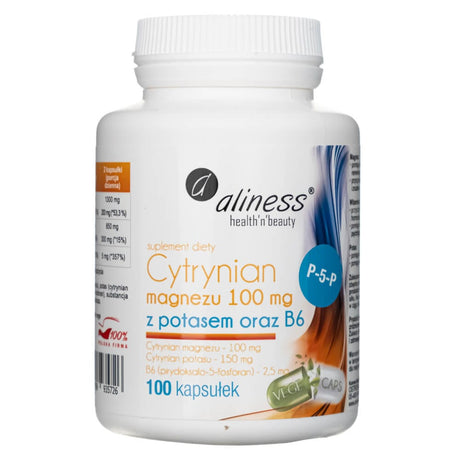


Aliness
Aliness Citrát Horečnatý 100 mg s draslíkom 150 mg, B6 (P-5-P) - 100 rastlinných kapsúl
Bežná cena €12.69Jednotková cena€0.13 za položku


Now Foods
Now Foods Citrát draselný 99 mg - 180 veg. kapsúl
Bežná cena €12.29Jednotková cena€0.07 za položku


Aliness
Aliness Citrát draselný 300 mg - 100 tabliet
Bežná cena €7.29Jednotková cena€0.07 za položku


Vitaler's
Vitaler's Citrát draselný 380 mg - 60 kapsúl
Bežná cena €5.49Jednotková cena€0.09 za položku


Bylinné prístupy na podporu močových ciest
Niekoľko bylín má dlhú tradíciu používania na podporu zdravia močových ciest,, najmä vďaka svojim močopudným a upokojujúcim vlastnostiam. Pŕhľava, koreň púpavy, a list medvedíka lekárskeho (uva ursi) patria medzi najčastejšie používané v európskej bylinné medicíne. Hoci by sa nemali považovať za liečbu obličkových kameňov, sú populárne ako všeobecná podpora zdravia močových ciest a sú dostupné vo forme doplnkov stravy.
Brusnica, pravdepodobne najviac študovaná rastlina v oblasti zdravia močových ciest, je tradične spájaná s podporou zdravého prostredia močových ciest — je relevantnejšia pre prevenciu infekcií močových ciest než priamo pre tvorbu kameňov. Pre tých, ktorí majú záujem o bylinnú podporu svojho močového systému, odporúčame preskúmať našu kolekciu pre obličky a močový systém:


Aura Herbals
Aura Herbals Cranberry Uro+ - 60 kapsúl
Bežná cena €10.49Jednotková cena€0.17 za položku


Solgar
Solgar Prírodné brusnice s vitamínom C - 60 rastlinných kapsúl
Bežná cena €15.99Jednotková cena€0.27 za položku



Now Foods
Now Foods Výťažok z koreňa žihľavy 250 mg - 90 veg. kapsúl
Bežná cena €14.39Jednotková cena€0.16 za položku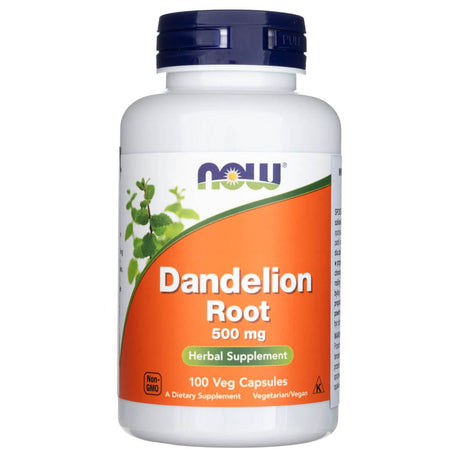


Now Foods
Now Foods Koreň púpavy 500 mg - 100 veg. kapsúl
Bežná cena €9.19Jednotková cena€0.09 za položku


Obličkové kamene u detí
Hoci je menej častá ako u dospelých, detská nefrolitiáza sa vyskytuje čoraz častejšie, pravdepodobne v dôsledku zmien stravovania, rastúcej detskej obezity, a zníženej fyzickej aktivity. Symptómy u detí môžu byť menej špecifické ako u dospelých — bolesť brucha, nevoľnosť, a krv v moči by mali viesť k lekárskemu vyšetreniu, najmä u dieťaťa s rodinnou anamnézou obličkových kameňov.
Preventívne zásady sú v podstate rovnaké: najdôležitejšie je dostatočné pitie, a vhodná je strava s nízkym obsahom sodíka, živočíšnych bielkovín, a potravín s vysokým obsahom šťavelanu. Doplnky vápnika a vitamínu D by sa mali deťom podávať iba v dávkach odporúčaných pediatrom — nadmerné dopĺňanie vápnika, najmä mimo jedál, môže zvýšiť hladinu vápnika v moči a prispieť k riziku vzniku kameňov.
Dlhodobá prognóza
Ochorenie obličkových kameňov má vysokú mieru recidívy — približne 50 % do 10 rokov bez aktívnej prevencie. Trvalými zmenami stravovania a životného štýlu, a v niektorých prípadoch cielenou suplementáciou alebo liečbou, je možné toto riziko podstatne znížiť. Pravidelné kontroly u urológa, pravidelné vyšetrenia moču, a sledovanie relevantných krvných markerov sú užitočné pre každého, kto mal viac ako jeden kameň.
Celkový obraz o zdraví obličiek presahuje prevenciu kameňov a zahŕňa podporu normálnej funkcie obličiek, dostatočnú hydratáciu, a stravu, ktorá zbytočne nezaťažuje obličky. Naša kolekcia produktov na detoxikáciu a prečistenie obsahuje ďalšie produkty relevantné pre všeobecné zdravie močových ciest a obličiek.
Tento článok má iba informatívny charakter a nenahrádza lekársku radu. Ak máte zdravotné ťažkosti, ste tehotná, dojčíte alebo užívate lieky, poraďte sa s lekárom alebo lekárnikom. Doplnky výživy nenahrádzajú pestrú stravu.


