

Divoký yam (Dioscorea villosa) je popínavá tropická liána pochádzajúca zo Severnej Ameriky a niektorých častí Strednej Ameriky, kde sa už stáročia používa v tradičnej bylinné medicíne. V Afrike a Južnej Amerike, sa pestujú blízko príbuzné druhy Dioscorea ako dôležitá škrobnatá potravinová plodina. Ako liečivá bylina, si divoký yam získal značný záujem v 20. storočí, keď vedci zistili, že jeho koreň obsahuje diosgenín — steroidný saponín, ktorý slúžil ako primárna surovina na syntézu prvej perorálnej antikoncepčnej pilulky. Táto biochemická história čiastočne vysvetľuje, prečo divoký yam naďalej priťahuje záujem v kontexte hormonálneho zdravia. Tu je objektívny pohľad na to, čo veda skutočne potvrdzuje, a čo zostáva neisté.
Čo je divoký yam a čo obsahuje? Koreň divokého yamu obsahuje rad bioaktívnych zlúčenín, vrátane steroidných saponínov, najmä diosgenínu a jeho glykozidových foriem – dioscínu a gracilínu. Tieto zlúčeniny sú zodpovedné za väčšinu farmakologického záujmu o túto rastlinu. Koreň tiež obsahuje vitamíny B, (najmä B1 a B6,), vitamín C,, draslík,, fosfor,, mangán,, meď,, a stredné množstvo škrobu a bielkovín.
Kľúčovým rozdielom, ktorý je potrebné pochopiť v súvislosti s diosgenínom – a ktorý je v populárnej zdravotnej literatúre často nesprávne interpretovaný – je toto: diosgenín z divého yamu sa v ľudskom tele nemôže premeniť na progesterón. Premena diosgenínu na progesterón vyžaduje viacstupňovú chemickú syntézu, ktorá sa môže uskutočniť iba v laboratóriu, nie v ľudskom metabolizme. Výrobky označené ako „prírodný progesterón z divokého yamu“, ktoré obsahujú lokálne krémy, neposkytujú bioidentický progesterón, pokiaľ tento progesterón nebol samostatne syntetizovaný a pridaný do zloženia. Ide o dôležitý rozdiel pre každého, kto používa prípravky z divokého yamu špeciálne kvôli účinkom podobným progesterónu.
To, čo divoký yam skutočne obsahuje – diosgenín a súvisiace saponíny – pôsobí ako fytoestrogén: rastlinná zlúčenina, ktorá interaguje s estrogénovými receptormi slabším, modulačným spôsobom. Táto aktivita je základom tradičného aj súčasného využitia tejto rastliny v kontexte hormonálneho zdravia žien.
Čo naznačujú výskumy – a ich obmedzenia
Divoký yam bol skúmaný v niekoľkých klinických a laboratórnych kontextoch, s rôznymi a často predbežnými výsledkami:
Menopauzálne symptómy: Randomizovaná krížová štúdia uverejnená v Climacteric (Komesaroff et al., 2001) zistila, že dvanásťtýždňové používanie krému z divokého yamu viedlo u niektorých žien k miernemu zlepšeniu niektorých symptómov menopauzy, avšak rozdiely neboli štatisticky významné v porovnaní s placebom, pokiaľ ide o primárne výsledky. Táto štúdia je jednou z mála dostupných adekvátne kontrolovaných klinických štúdií, a jej zistenia sa vo všeobecnosti charakterizujú ako naznačujúce skromné alebo nepriekazné účinky. Väčšie, štúdie s väčšou štatistickou silou neboli vykonané.
Účinky na lipidy a cholesterol: Diosgenín preukázal v štúdiách na zvieratách vlastnosti modulujúce hladinu cholesterolu (, ktoré ovplyvňujú rovnováhu LDL/HDL), avšak klinické štúdie na ľuďoch priniesli nejednotné výsledky. Tá istá štúdia Komesaroffa zistila určité zmeny v hladinách pohlavných hormónov, ale žiadny významný vplyv na lipidy.
Hladina glukózy v krvi: Štúdie na zvieratách naznačujú, že dioscoretín, zlúčenina obsiahnutá v divokom yame, môže pomáhať regulovať hladinu glukózy v krvi. Žiadne klinické štúdie na ľuďoch nepotvrdili tieto účinky doplnkov stravy z divého yamu.
Protizápalové a antispazmodické použitie: Divoký yam má dlhú tradíciu ako antispazmodikum — používa sa pri menštruačných kŕčoch, črevných kŕčoch, a bolestiach pohybového aparátu. Tieto použitia vychádzajú z tradičného používania a pravdepodobných mechanizmov (steroidnej protizápalovej aktivity diosgenínu), ale neboli formálne študované v klinických štúdiách.
Divoký yam nemá schválené zdravotné tvrdenia v EÚ. Dôkazová báza, je síce zaujímavá, nespĺňa však prah potrebný na schválenie tvrdení.
Divoký yam v praxi: Kedy sa používa?
Napriek obmedzeniam dôkazovej bázy, divoký yam zostáva široko používaný v ženskej bylinné medicíne, typicky v troch kontextoch:
- Podpora v menopauze — ako mierny fytoestrogén, často používaný spolu s inými rastlinnými látkami, vrátane červenej ďateliny, čierneho cohosh, a dong quai na návaly horúčavy, nočné potenie, a výkyvy nálady spojené s prechodom do menopauzy
- Menštruačný pohodlie — tradične sa používa pri dysmenorei (, bolestivých menštruáciách) a PMS, na základe svojich antispazmodických a miernych protizápalových vlastností
- Podpora hormonálnej rovnováhy — používa sa ako súčasť bylinných protokolov zameraných na podporu rovnováhy estrogénu a progesterónu v predmenopauzálnom období
K dispozícii sú kapsuly (prášok z celého koreňa alebo štandardizovaný extrakt), tekuté tinktúry, a lokálne krémy. Kapsule sú najpraktickejšie pre pravidelné dopĺňanie; dávkovanie sa zvyčajne riadi pokynmi výrobcu, keďže nebola stanovená žiadna štandardná klinická dávka. Tekuté výťažky ponúkajú flexibilitu v dávkovaní.
Doplnky stravy s divokým yamom v Medpak


 25% zľava
Vitaler's
Vitaler's Wild Yam 500 mg - 60 kapsúl
Predajná cena €6.66 Bežná cena €8.89Jednotková cena€0.11 za položku


Medica Herbs
Medica Herbs Wild Yam 500 mg - 60 kapsúl
Bežná cena €6.89Jednotková cena€0.11 za položku


Doplnkové rastlinné bylinky pre ženy v Medpak
Divoký yam sa často používa spolu s inými osvedčenými bylinkami na podporu hormonálneho a reprodukčného zdravia žien. Červená ďatelina poskytuje štandardizovanú dávku izoflavónov s najväčším množstvom klinických dôkazov spomedzi fytoestrogénov. Čierny cohosh je najviac študovanou bylinou špecificky pre návaly horúčavy v menopauze s dôkazmi overenými Cochrane. Dong quai je klasická bylina tradičnej čínskej medicíny na pravidelnosť menštruácie a gynekologickú podporu. Naša kolekcia bylín obsahuje všetky tieto:


Aliness
Aliness Black Cohosh ( Cimicifuga racemosa ) 300 mg - 90 veg. kapsúl
Bežná cena €12.79Jednotková cena€0.14 za položku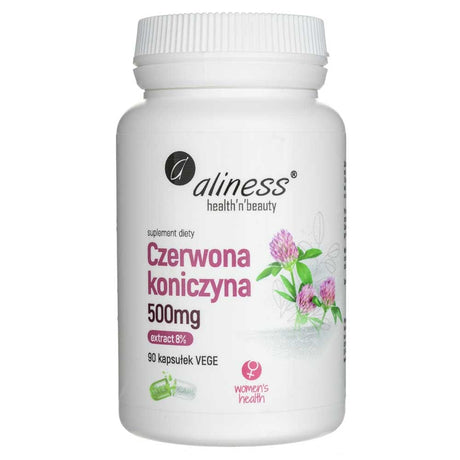


Aliness
Aliness Extrakt z ďateliny červenej 8% 500 mg - 90 veg. kapsúl
Bežná cena €13.39Jednotková cena€0.15 za položku

 16% zľava
Aliness
Aliness Dong Quai 500 mg - 100 rastlinných kapsúl
Predajná cena €9.92 Bežná cena €11.79Jednotková cena€0.10 za položku


Now Foods
Now Foods Dong Quai 520 mg - 100 veg. kapsúl
Bežná cena €10.39Jednotková cena€0.10 za položku


Tento článok má iba informatívny charakter a nenahrádza lekársku radu. Ak máte zdravotné ťažkosti, ste tehotná, dojčíte alebo užívate lieky, poraďte sa s lekárom alebo lekárnikom. Doplnky výživy nenahrádzajú pestrú stravu.


