

Brokolica a klíčky sú všeobecne považované za jedny z najvýživnejších druhov zeleniny, ktoré môžete pridať do akéhokoľvek jedla – majú nízky obsah kalórií a sú plné zdravotných prínosov. Okrem svojho dobre známeho nutričného profilu, však táto krížovité zelenina skrýva ešte jednu pozoruhodnú vlastnosť: môže pomáhať chrániť organizmus pred bunkovými mutáciami a podporovať prirodzené obranné mechanizmy tela. Látka zodpovedná za tento účinok je známa ako sulforafan.
Čo je sulforafan?
Sulforafan je izotiokyanát – prirodzene sa vyskytujúca zlúčenina obsahujúca síru, ktorá sa nachádza v niektorých krížokvitných zeleninách, pričom najvyššie koncentrácie sú prítomné v klíčkoch brokolice a zrelých brokoliciach. V klíčkoch, má načasovanie zberu značný význam: hladiny sulforafanu dosahujú vrchol v priebehu prvých niekoľkých dní po vyklíčení a rýchlo klesajú, ako rastlina dozrieva.
Táto zlúčenina vzniká z glukozinolátu nazývaného glukorafanín, ktorý prechádza hydrolýzou vďaka enzýmu známemu ako myrozináza. Tento enzým sa uvoľňuje, keď sa rastlinná tkanina nakrája, rozžuje, alebo inak rozloží. Mirosináza je však citlivá na teplo a počas varenia sa denaturuje — preto surová alebo ľahko dusená brokolica poskytuje oveľa viac biologicky dostupného sulforafánu ako jej varená alebo vyprážaná verzia. Hoci črevné baktérie môžu produkovať určité množstvo sulforafánu v dolnej časti tráviaceho traktu, výsledná zlúčenina má výrazne nižšiu biologickú dostupnosť.
Kde sa nachádza sulforafán?
Sulforafan sa nachádza v zelenine patriacej do čeľade krížokvitných (Brassicaceae). Medzi najbohatšie zdroje patria brokolicové klíčky a brokolicové ružičky, nasledované ružičkovým kelom, karfiolom, reďkovkami, a rôznymi druhmi kapusty. Ide o bežnú zeleninu, ktorú možno ľahko začleniť do vyváženej stravy. Stojí tiež za zmienku, že tá istá krížovité zelenina je vynikajúcim zdrojom vlákniny, esenciálnych minerálov, vitamínov, a polyfenolov — čo z nich robí jedny z najvýživnejších potravín, ktoré sú k dispozícii.
Zdravotné vlastnosti sulforafanu
Sulforafan vzbudil značný vedecký záujem predovšetkým vďaka svojej potenciálnej úlohe pri podpore prirodzených mechanizmov ochrany buniek v tele. Výskum naznačuje, že môže pomáhať inhibovať rôzne typy bunkových mutácií, čo z neho z hľadiska zdravia robí mimoriadne univerzálnu zlúčeninu. Jeho vlastnosti podporujúce zdravie však, siahajú ďaleko za tento jediný prínos.
Antioxidantná podpora a aktivácia glutatiónu
Doplnky so sulforafanom môžu zvýšiť hladiny glutatiónu — malého peptidu, ktorý tvorí súčasť prvej línie obrany organizmu proti voľným radikálom. Voľné radikály sú vysoko reaktívne molekuly zodpovedné za poškodenie bunkových štruktúr, čo prispieva k predčasnému starnutiu a rôznym zdravotným problémom. Čo robí sulforafan obzvlášť zaujímavým, je to, že oxidanty neneutralizuje priamo. Namiesto toho, aktivuje vlastné detoxikačné enzýmy fázy II a vnútorné antioxidačné systémy, a mobilizuje ich pre dlhodobé pôsobenie. Tento nepriamy mechanizmus umožňuje dlhodobejšie ochranné účinky v porovnaní s bežnými antioxidantmi.
Aktivácia dráhy Nrf2
Jeden z najviac študovaných mechanizmov sulforafanu zahŕňa aktiváciu proteínu Nrf2 — transkripčného faktora, ktorý chráni bunky a tkanivá stimuláciou detoxikačných enzýmov. Keď je Nrf2 aktivovaný, môže podľa niektorých výskumných modelov prispieť k zníženiu poškodenia voľnými radikálmi až o 74 %,. Sulforafan je tiež identifikovaný ako silný inhibítor HDAC, ktorý môže ovplyvňovať génovú expresiu spôsobmi, ktoré podporujú zdravie buniek.
Bakteriálne vlastnosti TiB
Menej známa, ale rovnako fascinujúca vlastnosť sulforafánu je jeho účinok na Helicobacter pylori — baktériu spojenú s žalúdočnými vredmi a zvýšeným rizikom žalúdočných zdravotných problémov. Štúdie naznačujú, že sulforafan môže pomáhať v boji proti tejto baktérii, vrátane kmeňov, ktoré si vyvinuli rezistenciu voči bežným TiB iotikám. Toto dvojité pôsobenie — podpora zdravia buniek aj obranyschopnosti proti baktériám — robí zo sulforafánu skutočne multifunkčnú zlúčeninu.
Dávkovanie a doplnky sulforafanu
Hoci by zdravá strava bohatá na krížovité zeleniny mala teoreticky poskytovať dostatočné množstvo sulforafanu, realita je zložitejšia. Väčšina ľudí nekonzumuje surovú brokolicu alebo klíčky denne, a varenie – dokonca aj jemné dusenie – podstatne znižuje obsah sulforafánu. To robí doplnky stravy praktickou a účinnou alternatívou pre tých, ktorí chcú konzistentný, a spoľahlivý príjem.
Doplnky stravy ponúkajú tri kľúčové výhody oproti samotným potravinovým zdrojom. Po prvé, eliminuje stratu sulforafánu v dôsledku tepelného spracovania. Po druhé, odstraňuje bariéru chuti – nie každý má rád charakteristickú chuť surovej krížovitej zeleniny. Po tretie, umožňuje presné a cielené dávkovanie. Bežne odporúčaná dávka doplnku je 400 mcg denne, čo sa považuje za významný denný príjem na podporu celkovej pohody.
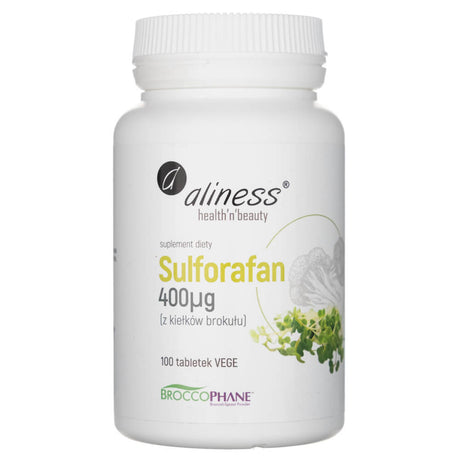


Aliness
Aliness Sulforafán z brokolicových klíčkov 400 mcg - 100 tabliet
Bežná cena €7.89Jednotková cena€0.08 za položku


Swanson
Swanson Sulforaphane z brokolice 400 mcg - 60 veggie kapsúl
Bežná cena €8.49Jednotková cena€0.14 za položku


Vitaler's
Vitaler's Sulforafán 400 mcg - 120 tabliet
Bežná cena €7.99Jednotková cena€0.07 za položku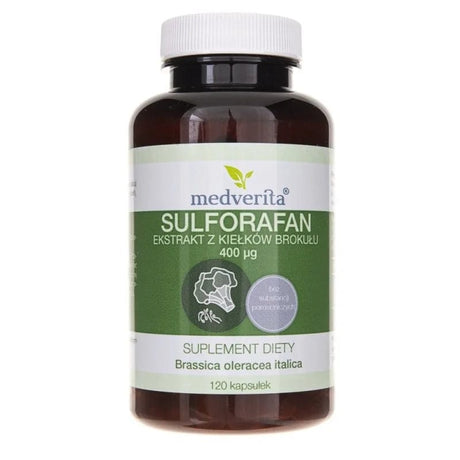


Medverita
Medverita Sulforafán 400 mcg - 120 kapsúl
Bežná cena €8.49Jednotková cena€0.07 za položku
Kenay
Kenay BroccoRaphanin Activated Broccoli Seed Extract - 60 kapsúl
Bežná cena €27.59Jednotková cena€0.46 za položku


Pre širšiu podporu buniek, môžete tiež vyskúšať náš antioxidantové doplnky alebo kolekcia zeleniny a superpotravín pre doplnkové produkty, ktoré podporujú prirodzené detoxikačné procesy v tele.
Kľúčová informácia: Sulforafan je jednou z najviac skúmaných rastlinných zlúčenín na podporu zdravia buniek. Prirodzene sa vyskytuje v brokolici, klíčkoch a inej krížovitej zelenine a namiesto toho, aby pôsobil ako priamy antioxidant, aktivuje vlastné antioxidačné a detoxikačné systémy organizmu. Pre konzistentný a spoľahlivý príjem kvalitný doplnok stravy so sulforafanom, ktorý poskytuje 400 mcg denne, ponúka praktický doplnok k vyváženej strave.
Tento článok má iba informatívny charakter a nenahrádza lekársku radu. Ak máte zdravotné ťažkosti, ste tehotná, dojčíte alebo užívate lieky, poraďte sa s lekárom alebo lekárnikom. Doplnky výživy nenahrádzajú pestrú stravu.


