

Diskusia o tukoch v strave prebieha už desaťročia, a stále prináša nové dôkazy. Ktoré tuky sú zdravšie? Ktoré sú lepšie? Keď sa zameriate na skutočné vedecké poznatky namiesto mediálnych titulkov, obraz sa vyjasní – a praktické rozhodnutia sa stanú jednoduchšími. Správne tuky posilnia vaše telo, podporia jeho prirodzené funkcie, a ukážu sa ako užitočné aj mimo kuchyne. Tu je to, čo by mal každý vedieť o tukoch.
Úloha tuku v tele
Tuk je jedným z najdôležitejších prvkov stravy, najmä pokiaľ ide o metabolizmus. Je štrukturálnou zložkou väčšiny telesných systémov – najmä mozog a nervový systém sú na ňom závislé – a slúži ako podporovateľ normálnych fyziologických procesov v celom tele. Z hľadiska kalórií je tuk makronutrientom s najvyššou energetickou hustotou, ktorý poskytuje približne 2,5-krát viac energie ako sacharidy alebo bielkoviny. Okrem energie je tuk nositeľom vitamínov rozpustných v tukoch A, D, E a K – žiadny z nich nemôže byť bez neho absorbovaný ani transportovaný. Všeobecné výživové odporúčania uvádzajú, že tuky by mali poskytovať 20–35 % celkovej dennej energie, pričom vhodný pomer sa líši v závislosti od fyzickej kondície a životného štýlu. A je tu ešte jeden rozmer tuku, na ktorý sa ľahko zabúda: je to primárny nosič chuti, čo ho stavia do centra praktického zážitku z jedla.
Nenasýtené vs. UNS nasýtené: Kľúčový rozdiel
Rozdiel medzi druhmi tukov spočíva v chémii — konkrétne, v počte dvojitých väzieb v reťazci mastných kyselín. UNS Nenasýtené mastné kyseliny, získavané predovšetkým z rastlinných zdrojov, majú výrazne pozitívny vplyv na krvné lipidy: znižujú hladinu LDL („zlého“) cholesterolu, zlepšujú funkciu bunkových membrán, a zohrávajú kľúčovú úlohu v metabolizme a hormonálnej činnosti. Podľa štruktúry sa delia na dve skupiny: mononenasýtené UNS (s jednou dvojitou väzbou, napr. omega-9 a omega-6.
Nenasýtené mastné kyseliny, na druhej strane, majú nepriaznivé účinky na zloženie krvných lipidov a funkciu bunkových membrán. Nachádzajú sa hlavne v živočíšnych produktoch, hoci existujú významné rastlinné výnimky — najbežnejšie sú kokosový olej a palmový olej. Dôležité je, že ľudské telo je schopné syntetizovať nasýtené tuky samo, čo znamená, že nie sú nevyhnutnou súčasťou stravy. V prípade nenasýtených tukov je situácia úplne iná.
Esenciálne mastné kyseliny (EFA): Čo vlastne znamená „esenciálny“
Esenciálne mastné kyseliny sú tie, ktoré telo nedokáže vyprodukovať, hoci sú potrebné na normálne fungovanie — musia sa prijímať z potravy. Dve hlavné EFA sú kyselina alfa-linolénová (ALA, omega-3) a kyselina linolová (LA, omega-6). Nedostatok esenciálnych mastných kyselín môže viesť k kožným poruchám, nadmernému úbytku vody cez kožu, a – pri vývoji plodu – k vážnemu neurologickému zaostávaniu.
Esenciálne mastné kyseliny sa nachádzajú vo väčšine morských rýb a v rastlinných olejoch. Medzi dobré zdroje patria:
- Slnečnicový olej — približne 70 % kyseliny linolovej (omega-6), 0,5 % kyseliny alfa-linolénovej (omega-3)
- Repkový/kanolový olej — približne 20 % kyseliny linolovej, 9 % kyseliny alfa-linolénovej
- Ľanový olej — približne 16 % kyseliny linolovej, 60 % kyseliny alfa-linolénovej — jeden z najbohatších rastlinných zdrojov omega-3
Príjem esenciálnych mastných kyselín (EFA) je obzvlášť dôležitý pre deti a dospievajúcich, keďže tieto zlúčeniny priamo ovplyvňujú normálny vývoj centrálneho nervového systému. Dospelí majú rovnaký prospech z pravidelného príjmu pre udržanie kardiovaskulárneho zdravia, hormonálnej rovnováhy, integrity kože, a kognitívnych funkcií.
Problém pomeru
Nezáleží len na absolútnom príjme EFA – rovnako dôležitá je rovnováha medzi omega-6 a omega-3. Ideálny pomer je približne 4–5:1 (omega-6 k omega-3). Výskumy konzistentne ukazujú, že priemerná západná strava poskytuje pomer 15–20:1. Táto nerovnováha — spôsobená predovšetkým nadmernou konzumáciou rafinovaných olejov bohatých na omega-6 a nedostatočným príjmom zdrojov omega-3 — je spojená so zvýšeným systémovým zápalom a zvýšeným rizikom kardiovaskulárnych ochorení. Jeho riešenie je jednou z najjednoduchších a najúčinnejších zmien stravovania, ktoré človek môže urobiť.
Rastlinné tuky vs. živočíšne tuky: Kľúčové rozdiely
Predpoklad, že „tuk je tuk“ – že medzi zdrojmi neexistuje žiadny významný rozdiel – je nesprávny a potenciálne škodlivý. Rozdiely medzi rastlinnými a živočíšnymi tukmi majú konkrétne dôsledky na kardiovaskulárne zdravie, metabolické funkcie, a dlhodobé riziko ochorení.
Rastlinné tuky
Rastlinné tuky sú zdrojom HDL („dobrého“) cholesterolu, ktorý aktívne chráni pred srdcovými ochoreniami. Sú to jediné tuky, ktoré obsahujú tokotrianoly a tokoferoly (formy vitamínu E) — zlúčeniny, ktoré regulujú aktivitu voľných radikálov a spomaľujú starnutie buniek. Obsahujú tiež fytosteroly, zlúčeniny rastlinného pôvodu, ktoré blokujú vstrebávanie cholesterolu do krvného obehu, a prispievajú tak k zníženiu celkovej hladiny cholesterolu. Rastlinné tuky znižujú riziko infarktu a mŕtvice, a — čo je najdôležitejšie — sú hlavným zdrojom poly UNS nasýtených omega-3 a omega-6 mastných kyselín v strave.
Živočíšne tuky
Živočíšne tuky patria predovšetkým do skupiny nasýtených mastných kyselín. Sú cenným zdrojom tukov-rozpustných vitamínov (A, D, E, K), ale pri nadmernej konzumácii zvyšujú hladinu LDL cholesterolu (vďaka obsahu sterolov), čím zvyšujú riziko kardiovaskulárnych ochorení, aterosxc1949 a všeobecnej metabolickej dysfunkcie. Možno prekvapivo, strava s vysokým obsahom nasýtených tukov nie je efektívnym zdrojom energie — telo má tendenciu ukladať ich priamo ako tukové tkanivo, namiesto toho, aby ich využívalo ako palivo.
Spomedzi potravín živočíšneho pôvodu, sa mastné morské ryby — losos, makrela, sleď — vynímajú ako zdroje UNS nasýtených omega-3 mastných kyselín, a predstavujú najlepšiu voľbu tukov živočíšneho pôvodu v strave.
Na spôsobe extrakcie záleží: Lisované za studena vs. rafinované
Lisovanie za studena je najstaršia a ekologicky najšetrnejšia metóda extrakcie. Nezahŕňa žiadne teplo, žiadne rozpúšťadlá, a žiadne ďalšie spracovanie — len mechanický tlak. Výsledkom je olej, ktorý si zachováva svoj plný nutričný profil, prirodzenú chuť, a arómu. Nevýhodou je kratšia trvanlivosť a nižšia odolnosť voči vysokým teplotám pri varení.
Rafinácia je dodatočné tepelné a chemické spracovanie, ktoré odstraňuje nečistoty, zápachy, a farbu. Rafinované oleje sú stabilné pri vysokých teplotách a majú oveľa dlhšiu trvanlivosť — v tomto procese však strácajú značnú časť svojich bioaktívnych zlúčenín. Na varenie pri vysokej teplote sú vhodnou voľbou rafinované oleje; z hľadiska výživovej hodnoty sú jednoznačne lepšie oleje lisované za studena.
Praktický sprievodca rastlinnými olejmi
Ponuka dostupných rastlinných olejov Toda je široká, a každý z nich má odlišný nutričný a chuťový profil vhodný na rôzne účely. Ľanový olej je medzi rastlinnými olejmi vynikajúcim zdrojom omega-3 mastných kyselín — čo je dôležité najmä pre tých, ktorí pravidelne nejedia morské ryby. Olej z čierneho kmeňa kombinuje priaznivý profil mastných kyselín s protizápalovým tymochinónom. Konopný olej poskytuje jeden z najprirodzenejších pomerov omega-6 k omega-3 spomedzi všetkých rastlinných olejov. Olej z bodliaka (a ľubovníka) má mimoriadne vysoký obsah kyseliny linolovej. Olej z repky olejnej patrí medzi najvyváženejšie možnosti pre každodenné použitie, s užitočným prísunom omega-3.
Naša kolekcia kuchynských olejov a octy a Zdravá výživa a výživové doplnky ponúkajú široký výber rastlinných olejov lisovaných za studena pre kulinárske aj výživové účely.


Bilovit
Bilovit Zlatý ľanový olej lisovaný za studena - 500 ml
Bežná cena €5.79Jednotková cena€11.58 /l

Olvita
Olvita Konopný olej lisovaný za studena, neočistený - 500 ml
Bežná cena €18.79Jednotková cena€37.58 /l
Olvita
Olvita Ľanový olej lisovaný za studena pre diétu Dr. Budwig Nečistený - 500 ml
Bežná cena €11.19Jednotková cena€22.38 /l


Pre tých, ktorí hľadajú doplnok k príjmu mastných kyselín nad rámec olejov v strave — alebo ktorí chcú pohodlnejšiu dennú formu — kapsule omega-3 a kombinácie s doplnkovými živinami, ako je vitamín E a koenzým Q10, ponúkajú spoľahlivý a konzistentný prístup. Tieto sú obzvlášť užitočné na reguláciu pomeru omega-6:omega-3, keď samotná strava nestačí. Objavte celý sortiment v našej kolekcii na podporu kardiovaskulárneho zdravia.
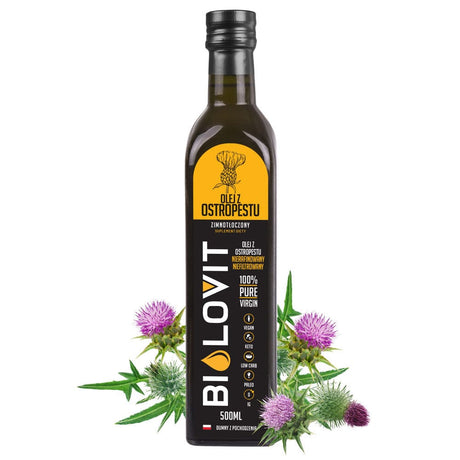


Bilovit
Bilovit Bodliakový olej lisovaný za studena - 500 ml
Bežná cena €10.09Jednotková cena€40.36 /l

Olvita
Olvita Slnečnicový olej lisovaný za studena, neočistený - 1000 ml
Bežná cena €10.79Jednotková cena€10.79 /l
Olvita
Olvita Za studena lisovaný bodliakový olej neočistený - 500 ml
Bežná cena €12.49Jednotková cena€24.98 /l
Olvita
Olvita Čierny rascový olej lisovaný za studena, neočistený - 250 ml
Bežná cena €20.59Jednotková cena€41.18 /l


Tento článok má iba informatívny charakter a nenahrádza lekársku radu. Ak máte zdravotné ťažkosti, ste tehotná, dojčíte alebo užívate lieky, poraďte sa s lekárom alebo lekárnikom. Doplnky výživy nenahrádzajú pestrú stravu.


