

Izoflavóny sú rastlinné zlúčeniny patriace do rodiny flavonoidov, ktoré sa prirodzene vyskytujú v strukovinách, ako je sója, šošovica, a fazuľa. Tri hlavné izoflavóny – genisteín, daidzeín a glyciteín – sú štrukturálne podobné estradiolu, hlavnému ženskému pohlavnému hormónu. Táto podobnosť im umožňuje slabú väzbu na estrogénové receptory v celom tele, preto sa často nazývajú fytoestrogény. Výskum naznačuje, že izoflavóny môžu pomáhať udržiavať hormonálnu rovnováhu u žien, podporovať antioxidačnú obranu, prispievať k zdravým hladinám cholesterolu a zmierňovať bežné ťažkosti spojené s prechodom do menopauzy. Patria medzi najviac študované rastlinné látky, ktoré sú špecificky relevantné pre zdravie žien po 40. roku života.
Ako izoflavóny interagujú s ženským hormonálnym systémom
Estrogénové receptory sa nachádzajú v mnohých tkanivách – v maternici, prsiach, kostiach, kardiovaskulárnom systéme, a mozgu. Keď hladiny cirkulujúceho estrogénu klesnú, ako sa to deje počas perimenopauzy a menopauzy, tieto receptorové miesta sa menej obsadzujú, čo spúšťa kaskádu symptómov, ktoré ženy spájajú s týmto prechodom: návaly horúčavy, nočné potenie, zmeny nálady, poruchy spánku, a urýchlená strata kostnej hmoty.
Izoflavóny sa viažu na tie isté receptory, ale s výrazne nižšou účinnosťou ako endogénny estrogén — približne 100 až 1, 000-krát slabšie, v závislosti od tkaniva a podtypu receptora. Táto dvojitá povaha — v niektorých tkanivách majú slabý estrogénny účinok, v iných mierne antiestrogénny — je dôvodom, prečo ich výskumníci skúmali jednak ako prostriedok na zmiernenie symptómov a jednak v inom kontexte ako potenciálne ochranné látky proti hormónovo citlivým rakovinám. Dôkazy sú nuansované a stále sa vyvíjajú, ale celkový profil bezpečnosti izoflavónov konzumovaných v bežných stravných alebo doplnkových množstvách je u zdravých žien dobre stanovený.
Kľúčové prínosy podložené výskumom
Návaly horúčavy a nočné potenie patria medzi najčastejšie skúmané ciele doplnkov s obsahom izoflavónov. Viaceré metaanalýzy naznačujú, že pravidelný príjem izoflavónov — najmä genisteínu zo sóje alebo formononetínu a biochanínu A z červenej ďateliny — môže znížiť frekvenciu a intenzitu vazomotorických symptómov, pričom účinky sa zvyčajne prejavia po 4–12 týždňoch pravidelného užívania.
Zdravie kostí je ďalšou oblasťou aktívneho výskumu. Estrogén hrá kľúčovú úlohu v regulácii prestavby kostí; jeho pokles urýchľuje kostný obrat a zvyšuje riziko zlomenín. Niektoré štúdie naznačujú, že izoflavóny môžu pomôcť spomaliť úbytok kostnej hustoty u žien po menopauze, hoci nenahrádzajú osvedčené stratégie na podporu kostí, vrátane dostatočného príjmu vápnika, vitamínu D, a cvičenia s váhou.
Podpora kardiovaskulárneho systému je tretím navrhovaným mechanizmom. Izoflavóny môžu prispievať k udržaniu zdravého LDL cholesterolu a pružnosti tepien, čo sú obavy žien po menopauze. Sója v kombinácii s izoflavónmi je v tomto kontexte najviac študovanou formou.
Antioxidantná aktivita je vlastná štruktúre flavonoidov — izoflavóny pomáhajú neutralizovať voľné radikály, čo podporuje celkové zdravie buniek a znižuje oxidačný stres spojený so starnutím.
Izoflavóny zo sóje vs. červeného ďateliny: Aký je rozdiel?
Väčšina doplnkov na trhu je založená na jednom z dvoch zdrojov. Izoflavóny zo sóje — predovšetkým genisteín a daidzeín — sú najviac študované a považujú sa za referenčnú formu. Ich účinok je priamy; telo môže genisteín a daidzeín využiť bez potreby predchádzajúcej metabolickej konverzie.
Izoflavóny z červenej ďateliny obsahujú širšie spektrum: formononetín a biochanín A popri daidzeíne a genisteíne. Formononetín a biochanín A sa v čreve premieňajú na daidzeín, resp. genisteín, čo znamená, že ich účinnosť čiastočne závisí od zloženia individuálneho črevného mikrobiómu. Niektoré ženy – známe ako „producentky ekvolu“ – tiež premieňajú daidzeín na ekvol, čo je obzvlášť silný metabolit izoflavónu; štúdie naznačujú, že u producentiek ekvolu dochádza k väčšej úľave od symptómov vďaka doplnkom izoflavónov. Extrakty z červenej ďateliny sú často štandardizované na definovaný celkový obsah izoflavónov, vďaka čomu je dávkovanie predvídateľné bez ohľadu na variácie v zdroji.
Doplnky s izoflavónmi: Cielená podpora
Pre ženy, ktoré hľadajú priamu suplementáciu izoflavónmi zo sóje alebo červenej ďateliny, tieto produkty poskytujú štandardizované, spoľahlivé dávky kľúčových fytoestrogénnych zlúčenín:
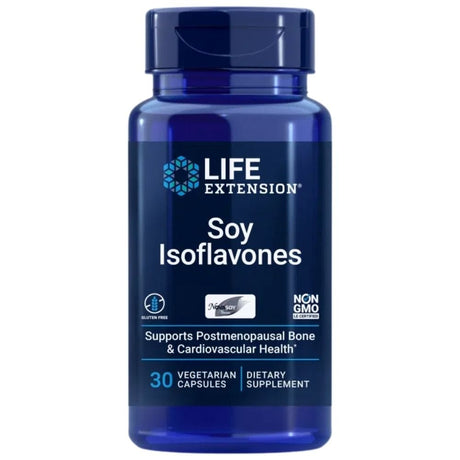

Life Extension
Life Extension Sójové izoflavóny - 30 kapsúl
Bežná cena €33.89Jednotková cena€1.13 za položku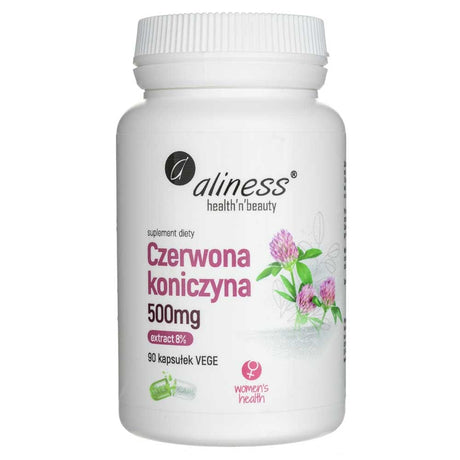


Aliness
Aliness Extrakt z ďateliny červenej 8% 500 mg - 90 veg. kapsúl
Bežná cena €13.39Jednotková cena€0.15 za položku


Yango
Yango Extrakt z červenej ďateliny 10:1 - 90 kapsúl
Bežná cena €12.69Jednotková cena€0.14 za položku


Komplexné prípravky na menopauzu
Mnohé ženy považujú prípravky so širším spektrom účinku za praktickejšie počas prechodu do menopauzy. Tieto produkty kombinujú izoflavóny alebo červenú ďatelinu s doplnkovými rastlinnými zložkami — čierny cohosh, dong quai, ashwagandha — a často obsahujú vitamíny B a horčík na riešenie širšieho spektra symptómov vrátane zmien nálady, kvality spánku, a energetickej hladiny. Pre ženy, ktoré uprednostňujú komplexný prístup pred jednotlivými bylinkami:


Doplnkové bylinky pre hormonálnu rovnováhu
Čierny cohosh (Cimicifuga racemosa) je klinicky najviac skúmanou bylinou na symptómy menopauzy a má dlhú históriu používania v tradičnej bylinkárstve. Jej mechanizmus pôsobenia sa líši od izoflavónov – neviaže sa na estrogénové receptory, ale zdá sa, že pôsobí na serotonínové a dopamínové dráhy, ktoré ovplyvňujú termoreguláciu, čo môže vysvetľovať jej účinnosť pri návaloch tepla. Dong quai (Angelica sinensis), koreň používaný už stáročia v tradičnej čínskej medicíne, sa tradične kombinuje s inými bylinami na podporu ženského hormonálneho zdravia, najmä pri nepravidelnom cykle a nepohodlí v období perimenTieto byliny sa najčastejšie používajú v kombinácii, nie ako samostatné doplnky, a sú široko dostupné v kolekcii bylín v Medpak:


Aliness
Aliness Black Cohosh ( Cimicifuga racemosa ) 300 mg - 90 veg. kapsúl
Bežná cena €12.79Jednotková cena€0.14 za položku

 16% zľava
Aliness
Aliness Dong Quai 500 mg - 100 rastlinných kapsúl
Predajná cena €9.92 Bežná cena €11.79Jednotková cena€0.10 za položku


Now Foods
Now Foods Dong Quai 520 mg - 100 veg. kapsúl
Bežná cena €10.39Jednotková cena€0.10 za položku


Dávkovanie a čo môžete očakávať
Typické doplnkové dávky sa pohybujú od 40 do 80 mg celkových izoflavónov denne. Nižšie dávky sú vhodné pri miernych príznakoch alebo všeobecnej prevencii; vyššie dávky sa častejšie používajú pri aktívnej liečbe príznakov. Isoflavóny nepôsobia rýchlo — väčšina štúdií preukazujúcich významné účinky používala konzistentné doplnkové dávkovanie minimálne 4 týždne, pričom najlepšie výsledky sa zaznamenali po 8–12 týždňoch. Pôsobia kumulatívne, nie akútne, takže konzistentnosť je dôležitejšia ako akákoľvek jednotlivá dávka. Pre širší prehľad doplnkov stravy pre zdravie žien, si prezrite kolekciu Women's Health na stránke Medpak.
Tento článok má iba informatívny charakter a nenahrádza lekársku radu. Ak máte zdravotné ťažkosti, ste tehotná, dojčíte alebo užívate lieky, poraďte sa s lekárom alebo lekárnikom. Doplnky výživy nenahrádzajú pestrú stravu.


