

Prírodné metódy starostlivosti o vlasy môžu byť nielen vysoko účinné, ale aj šetrné k štruktúre vlasov. Ošetrovanie vlasov olejmi – teda nanášanie starostlivo vybraných rastlinných olejov priamo na vlasy a pokožku hlavy – patrí medzi najosvedčenejšie z týchto techník. Ak sa vykonáva pravidelne a s olejom vhodným pre váš typ vlasov, môže obnoviť lesk a pružnosť, znížiť lámavosť, a výrazne zlepšiť celkový stav vašich prameňov.
Aké sú výhody olejovania vlasov?
Olejovanie vlasov je vhodné pre všetky typy vlasov, ak sa vykonáva správne. Výhody sú široké a postupne sa zvyšujú pri pravidelnom vykonávaní:
- Hĺbková výživa a hydratácia — oleje prenikajú do vlasového stvolu alebo ho obalia, čím znižujú stratu vlhkosti medzi umývaním
- Hladšie, a silnejšie končeky — pravidelné olejovanie výrazne znižuje rozštiepené končeky a lámanie na koncoch
- Zlepšená mechanická odolnosť — vlasy lepšie odolávajú stylingu, česaniu, a teplu, ak sú pravidelne ošetrované olejom
- Znížená strata vlasov — masáž pokožky hlavy počas aplikácie stimuluje krvný obeh a môže pomôcť upevniť oslabené vlasové folikuly
- Obnovený lesk a pružnosť — aj silne poškodené vlasy viditeľne reagujú po niekoľkých pravidelných ošetreniach
- Ľahšie rozčesávanie — naolejované vlasy sa dajú rozčesať s oveľa menším trením a lámaním
- Mäkšia textúra — vlasy sú na dotyk citeľne príjemnejšie
V priebehu času, môže pravidelné natieranie olejom pomôcť aj regulovať nadmernú produkciu kožného mazu a priniesť úľavu pri problémoch s pokožkou hlavy, ako sú lupiny. Oleje, ktoré stimulujú pokožku hlavy — najmä ricínový, rozmarínový, a čierny olej — sa často odporúčajú ľuďom, ktorí trpia rednutím vlasov alebo si nechávajú vlasy dorásť.
Ako často by ste si mali vlasy natierať olejom?
Frekvencia závisí predovšetkým od toho, ako často si umývate vlasy. Ak si vaše vlasy vyžadujú každodenné umývanie,, vhodným východiskovým bodom je jedna až dve aplikácie oleja týždenne. Ak si vlasy umývate menej často — raz týždenne alebo menej — môžete ich natierať olejom pri každom umývaní bez toho, aby ste vlasy preťažili. Neexistuje žiadne striktné pravidlo: prispôsobte sa tomu, ako vaše vlasy vyzerajú a aký majú pocit. Ak pramene vyzerajú ťažké alebo mastné, znížte množstvo alebo frekvenciu. Ak sa medzi ošetreniami zdajú suché a drsné, zvýšte buď jedno, alebo druhé.
Ako zosúladiť olej s poréznosťou vašich vlasov
Poréznosť vlasov – stupeň, do akej miery je vlasová kutikula otvorená alebo uzavretá – je najspoľahlivejším vodítkom pri výbere oleja. Určuje, ako ľahko vaše vlasy absorbujú vlhkosť a, následne, aká molekulová hmotnosť oleja skutočne prenikne dovnútra, oproti tomu, aby zostala len na povrchu.
Vlasy s vysokou poréznosťou
Vlasy s vysokou poréznosťou majú zdvihnutú vrstvu kutikuly, čo znamená, že rýchlo absorbujú produkty, ale tiež rýchlo strácajú vlhkosť. Majú tendenciu byť krepovité, matné, suché a náchylné na lámanie – často v dôsledku chemických ošetrení, tepelného stylingu alebo odfarbenia. Tento typ vlasov najlepšie reaguje na oleje bohaté na poly UNS nasýtené a mono UNS nasýtené mastné kyseliny, ktoré majú menšie molekulárne štruktúry a môžu účinnejšie prenikať do kôry. Medzi ne patrí slnečnicový olej, ľanový olej, avokádový olej, pupalkový olej a konopný olej. Tieto oleje vyplňujú medzery v poškodenej kutikule a časom pomáhajú znižovať poréznosť.
Vlasy s nízkou poréznosťou
Vlasy s nízkou poréznosťou majú pevne uzavretú kutikulu, ktorá odoláva absorpcii čohokoľvek – vrátane vody. Vyzerajú zdravo a leskle, dlho sa namáčajú, a pomaly schnú. Pre tento typ vlasov, sa osvedčujú ťažšie nasýtené oleje, pretože sa nesnažia preniknúť do vlasového stvolu, ale namiesto toho vytvárajú ochrannú vrstvu na povrchu. Kokosový olej, babassu olej, a podobné nasýtené tuky sú v tomto prípade klasickou voľbou. Nanesenie týchto olejov na mierne zahriate vlasy (, napríklad, po teplej sprche), môže pomôcť pri vstrebávaní.
Vlasy so strednou pórovitosťou
Najbežnejší typ, vlasov so strednou pórovitosťou sa nachádza medzi týmito dvoma extrémami — pomerne dobre absorbuje a udržiava vlhkosť a reaguje na širokú škálu olejov. Olivový olej, sladký mandľový olej, sezamový olej, avokádový olej, a makadamiový olej sú všetky vhodné. Vlasy so strednou pórovitosťou sú najuniverzálnejšie a najvďačnejšie na experimentovanie s rôznymi olejmi a spôsobmi olejovania.
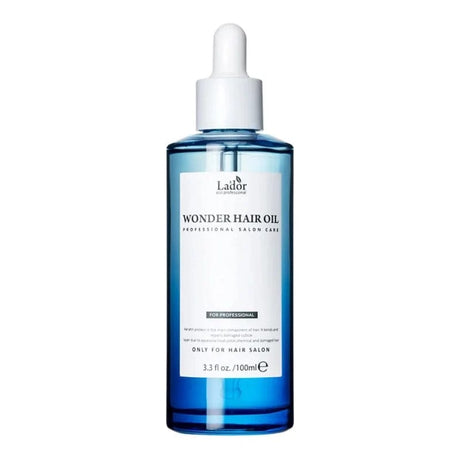


Spôsoby nanášania vlasového oleja
Nanášanie na suché vlasy (Ošetrenie pred umývaním)
Nanáša sa na suché, rozčesané vlasy pred umývaním — toto je najbežnejšia metóda a funguje dobre ako nočná kúra. Olej rovnomerne rozotrite od korienkov po končeky, vlasy stočte alebo zapleťte, a nechajte pôsobiť od 30 minút až cez noc. Ak ho nechávate pôsobiť cez noc, zakryte si vlasy sprchovou čapicou alebo bavlnenou šatkou, aby ste ochránili vankúš. Táto dlhšia doba pôsobenia je obzvlášť prospešná pre silne poškodené, suché alebo matné vlasy, ktoré potrebujú intenzívnu regeneráciu.
Nanášanie oleja na mokré vlasy (Nanášanie na vlhké vlasy)
Nanáša sa na mierne vlhké vlasy — osušené uterákom, ale nie kvapkajúce — táto metóda je obzvlášť účinná pre vlasy s vysokou pórovitosťou, kde vlhkosť a olej spoločne poskytujú hlbšiu starostlivosť. Naneste od uší po končeky, zviažte vlasy do voľného drdola, zakryte uterákom alebo sprchovou čapicou, a po približne 30 minútach dôkladne opláchnite. Keďže sú vlasy už čiastočne nasýtené vodou, olej pomáha túto hydratáciu uzavrieť, namiesto toho, aby ju nahrádzal.
Ošetrenie olejom s kondicionérom
Užitočná kompromisná technika: najskôr naneste na vlasy olej, potom na ne naneste kondicionér bez obsahu silikónov, alebo oba produkty zmiešajte pred nanesením. Nechajte pôsobiť 20–30 minút pod sprchovou čapicou. Táto kombinácia zosilňuje hydratačný účinok a je dobrou týždennou kúrou pre vlasy so strednou až vysokou pórovitosťou, ktoré majú tendenciu byť suché a drsné.
Nechajte-Olejovanie (Bezoplachová úprava)
Veľmi malé množstvo oleja nanesené na strednú dĺžku a končeky už umytých a upravených vlasov, sa nechá pôsobiť bez oplachovania. Táto technika dodáva lesk,, krotí krepatenie a, zmäkčuje končeky bez zaťaženia korienkov. Kľúčom je umiernenosť: naneste nanajvýš niekoľko kvapiek, na najsuchšie časti vlasov. Toto je tiež najvhodnejšia metóda pre jemné alebo nízko porézne vlasy, ktoré majú tendenciu ľahko sa mastieť.
Rastlinné oleje lisované za studena na olejovanie vlasov
Špecializované vlasové oleje vyvinuté špeciálne na tento účel ponúkajú pohodlie a vopred namiešaný profil, ale čisté kulinárske oleje lisované za studena sú rovnako účinné a často cenovo dostupnejšie. Ľanový olej, slnečnicový olej, sezamový olej, a avokádový olej — všetky dostupné v za studena lisovanej, nerafinovanej forme — pokrývajú celý rozsah poréznosti vlasov a môžu sa používať priamo z fľaše. Objavte našu kolekciu vlasových olejov, sér a sprejov spolu s radom olejov lisovaných za studena pre kompletnú ponuku možností.


 16% zľava
Bilovit
Bilovit ľanový olej lisovaný za studena - 500 ml
Predajná cena €4.59 Bežná cena €5.49Jednotková cena€9.18 /l

Bilovit
Bilovit Zlatý ľanový olej lisovaný za studena - 500 ml
Bežná cena €5.79Jednotková cena€11.58 /l

Olvita
Olvita Slnečnicový olej lisovaný za studena, neočistený - 1000 ml
Bežná cena €10.79Jednotková cena€10.79 /l


Bilovit
Bilovit Sezamový olej lisovaný za studena - 250 ml
Bežná cena €7.69Jednotková cena€30.76 /l


Ošetrenie vlasov olejom po keratínovej kúre
Vlasy, ktoré prešli keratínovou vyhladzovacou kúrou, vyžadujú šetrnú následnú starostlivosť, ale ošetrenie olejom je s ňou úplne zlučiteľné TiB. Kľúčom je vybrať si prírodné, nerafinované oleje bez silikónov a alkoholu — obe tieto látky môžu narušiť keratínový povlak. Olivový olej, slnečnicový olej, a kokosový olej sú všetky vhodné. Aplikujte metódou „nevyplachovať“ alebo krátkym namočením, namiesto namáčania cez noc, a vyhnite sa agresívnemu masírovaniu pokožky hlavy v týždňoch bezprostredne po ošetrení. Objavte našu kompletný sortiment vlasovej kozmetiky pre porovnanie TiB produktov a našu kolekciu doplnkov pre vlasy, pokožku a nechty pre dodatočnú podporu zvnútra.
Tento článok má iba informatívny charakter a nenahrádza lekársku radu. Ak máte zdravotné ťažkosti, ste tehotná, dojčíte alebo užívate lieky, poraďte sa s lekárom alebo lekárnikom. Doplnky výživy nenahrádzajú pestrú stravu.


