

Rastúci dopyt po prírodnej, kozmetike bez pridaných látok posunul pleťové oleje do centra pozornosti – a to z dobrého dôvodu. Používanie rastlinných olejov na výživu pokožky nie je len módnym trendom, ale patrí medzi najstaršie formy kozmetickej starostlivosti v dejinách ľudstva. Toda a, za studena lisované a nerafinované oleje poskytujú koncentrovanú dávku vitamínov, esenciálnych mastných kyselín, antioxidantov, a lipidov identických s pokožkou, ktoré syntetické produkty často nedokážu napodobniť. Či už sa používa samostatne, nanáša pod hydratačný krém alebo sa začlení do existujúcej rutiny, správny pleťový olej môže skutočne premeniť kvalitu pleti – znížiť jemné vrásky, obnoviť žiarivosť a postupom času posilniť kožnú bariéru.
Ako fungujú pleťové oleje a čo dokážu?
Rastlinné pleťové oleje pôsobia predovšetkým tak, že posilňujú prirodzenú lipidovú bariéru pokožky – tenkú, ochrannú vrstvu tukov, ktorá sa nachádza na povrchu pokožky a reguluje zadržiavanie vlhkosti, ochranu pred vplyvmi prostredia, a komunikáciu buniek. Keď je táto bariéra neporušená, pokožka zostáva hydratovaná, pružná, a odolná. Keď je narušená — starnutím, drsnými produktmi na starostlivosť o pleť, environmentálnym stresom, alebo výživovými nedostatkami — výsledkom je suchosť, citlivosť, urýchlené vrásnenie, a nerovnomerný tón.
Kvalitné pleťové oleje pôsobia súčasne v niekoľkých kľúčových smeroch: spomaľujú viditeľné príznaky starnutia pokožky, zlepšujú hydratáciu, podporujú obnovu epidermis, hlboko vyživujú, vyrovnávajú tón pleti, redukujú výskyt vrások a hyperpigmentácie, upokojujú zápalové lézie, zlepšujú pružnosť a regulujú produkciu kožného mazu.. Jedna dôležitá poznámka: výber oleja má obrovský význam. Nevhodne zvolený olej — príliš okluzívny pre mastnú pleť, alebo komedogénny pre pleť náchylnú na akné — môže situáciu zhoršiť, nie zlepšiť. Nižšie uvedený sprievodca je navrhnutý tak, aby vám pomohol vybrať správny olej pre vašu pleť.
Ako vybrať a skladovať pleťové oleje
Najdôležitejším faktorom pri výbere pleťového oleja je, či bol lisovaný za studena a nerafinovaný. Lisovanie za studena extrahuje olej bez tepla, čím sa zachová celé spektrum mastných kyselín, vitamínov, a fytonutrientov. Rafinované oleje prechádzajú tepelným a chemickým spracovaním, ktoré odstraňuje veľkú časť tejto nutričnej hodnoty výmenou za dlhšiu trvanlivosť a neutrálnu vôňu. Pre aplikácie na pokožku, kde záleží na bioaktivite, sú nerafinované oleje lisované za studena vždy tou najlepšou voľbou. Dôležité je aj balenie: rastlinné oleje sú citlivé na svetlo a kyslík, ktoré urýchľujú oxidačné žltnutie. Vždy si vyberajte oleje v tmavých sklenených fľašiach, a po otvorení, ich uchovávajte v chladničke, aby si zachovali účinnosť. Olej, ktorý zapácha po žluknutí, by sa nemal používať na pokožku. Kľúčová je aj konzistencia – pleťové oleje prinášajú viditeľné výsledky po týždňoch a mesiacoch pravidelného používania, nie po dňoch. Objavte náš kompletný sortiment olejov na tvár a aktívnych látok na starostlivosť o pleť v kolekcii kyselín na tvár, olejov a sér.
Olej z čierneho kmeňa: všestranný prostriedok proti zápalu
Olej z čierneho kmeňa (Nigella sativa) — známy aj ako olej z čierneho kmeňa — je jedným z najviac študovaných prírodných olejov na starostlivosť o pleť, ktoré sú k dispozícii. Jeho bohatý obsah tymochinónu, omega-6 (kyseliny linolovej), a vitamínov A a E mu dodáva výnimočné protizápalové, regeneračné, a antimikrobiálne vlastnosti. Pre pleť náchylnú na akné je to jedna z klinicky najzaujímavejších prírodných možností: znižuje aktivitu mazových žliaz, minimalizuje zápalové lézie a potláča baktérie, ktoré spôsobujú akné — bez vysušujúcich a narušujúcich účinkov drsných farmaceutických látok.
Pre citlivú, reaktívnu, alebo k alergiám náchylnú pleť, sú upokojujúce a bariéru obnovujúce vlastnosti oleja z čierneho kmeňa rovnako cenné. Podporuje liečbu ekzému, ružovky, psoriázy a hyperpigmentácie po akné a časom prispieva k rovnomernejšej a rozjasnenejšej pleti. Na rozdiel od ťažších olejov, sa vstrebáva relatívne rýchlo a pri použití v primeraných množstvách je nepravdepodobné, že by upchával póry.

Olvita
Olvita Čierny rascový olej lisovaný za studena, neočistený - 250 ml
Bežná cena €20.59Jednotková cena€41.18 /l
Purelab Marek Skoczylas
Skoczylas Olej zo semien čiernej rasce - 250 ml
Bežná cena €11.89Jednotková cena€47.56 /l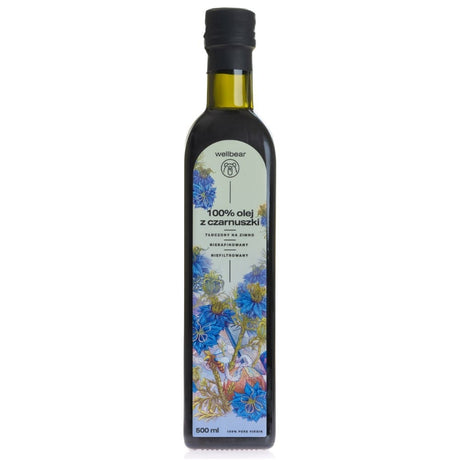


Wellbear
Wellbear Čierny rascový olej lisovaný za studena - 500 ml
Bežná cena €17.49Jednotková cena€34.98 /l


Šípkový olej: Prírodný ekvivalent retinolu pre zrelú pleť
Šípkový olej je jedným z najuznávanejších pleťových olejov na spomalenie starnutia, hyperpigmentáciu, a regeneráciu pokožky. Vďaka vysokému obsahu kyseliny trans-retinovej (, prírodnej formy vitamínu A), vitamínu C, a omega-3 a omega-6 mastných kyselín je silnou a šetrnou alternatívou k syntetickým produktom s obsahom retinolu. Stimuluje syntézu kolagénu a elastínu, zmierňuje postinflamatórne škvrny a poškodenie spôsobené slnkom, a pri pravidelnom používaní zlepšuje textúru a tón pleti.
Šípkový olej je obzvlášť vhodný pre suchú, zrelú, a slnkom poškodenú pleť, ale vďaka svojmu nekomedogénnemu profilu mastných kyselín je vhodný aj pre zmiešanú pleť. Pri aplikácii v noci – keď sú procesy regenerácie pokožky najaktívnejšie – je považovaný za jeden z najúčinnejších prírodných prostriedkov proti starnutiu, ktoré sú k dispozícii. Okrem svojich aktívnych účinkov sa osvedčuje aj ako masážny olej na tvár, ktorý podporuje lymfodrenáž a zlepšuje krvný obeh.
Malinový olej: Antioxidantná ochrana a vyvážená hydratácia
Olej z malinových semien má výnimočný profil mastných kyselín – je mimoriadne bohatý na omega-3 (alfa-linolénovú kyselinu) aj omega-6 (linolovú kyselinu) — čo z neho robí jeden z najúčinnejších olejov na posilnenie kožnej bariéry a zníženie straty vlhkosti. Obsah vitamínu E poskytuje antioxidačnú ochranu proti poškodeniu životným prostredím a UV žiareniu. Olej z malinových semien je jedinečný medzi rastlinnými olejmi, tým, že má zdokumentovaný prirodzený SPF odhadovaný na 28 až 50 pre UVB, a okolo 8 pre UVA — čo je významný doplnkový prínos, hoci nenahrádza špecializovanú ochranu proti slnku.
Olej z malinových semien je ľahký, rýchlo sa vstrebáva, a je nekomedogénny, čo z neho robí jeden z mála olejov, ktoré sú skutočne vhodné pre mastnú a zmiešanú pleť. Jeho protizápalové vlastnosti a schopnosť potláčať produkciu melanínu z neho robia praktickú voľbu aj pre pleť náchylnú na hyperpigmentáciu a jazvy po vyrážkach. Dobre sa mieša so sérami, a hydratačnými krémami, a slúži ako základná vrstva pod ťažšie výživné oleje pre suché typy pleti.
 5% zľava
Olvita
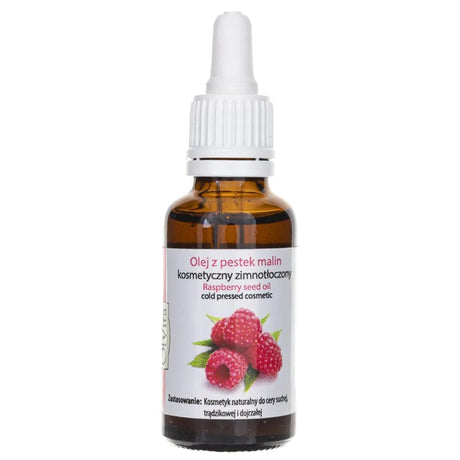
Olvita Olej z malinových semienok - 30 ml
Predajná cena €7.29 Bežná cena €7.69Jednotková cena€24.30 /100 ml
Olej zo semien opuncie: Intenzívna regeneračná kúra
Olej zo semien opuncie — extrahovaný zo semien Opuntia ficus-indica — si získal povesť jedného z najvýživnejších olejov na tvár, ktoré sú k dispozícii. Obsahuje jednu z najvyšších zaznamenaných koncentrácií vitamínu E spomedzi rastlinných olejov, spolu so sterolmi, polyfenolmi, a vysokým podielom kyseliny linolovej. Táto kombinácia poskytuje vynikajúce regeneračné, spevňujúce, a ceramide-dopĺňajúce vlastnosti, ktoré podporujú hlbokú štruktúru kožnej matice. Je obzvlášť cenený pre svoju schopnosť zlepšiť hustotu a pevnosť pokožky — čo viedlo k jeho neformálnemu označeniu ako „prírodný botox“, termín, ktorý odráža jeho viditeľný liftingový a napínací účinok na zrelú a ochabnutú pokožku. Vďaka svojim protizápalovým vlastnostiam je vhodný aj pre pleť náchylnú na akné a citlivú pleť, kde normalizuje činnosť mazových žliaz bez upchávania pórov. Stačí naniesť niekoľko kvapiek každý večer – olej je výživný a stačí ho použiť len málo. Objavte celý sortiment prírodných produktov na starostlivosť o pleť v našej kolekcii produktov na starostlivosť o pleť a telo.
Ako začleniť pleťové oleje do vašej rutiny
Najjednoduchší prístup je použiť pleťový olej ako posledný krok vo večernom režime – po očistení a akýchkoľvek ošetreniach na vodnej báze, kým je pleť ešte mierne vlhká. Naneste 3–5 kvapiek, ktoré ste si zahriali medzi dlaňami, a jemne ich vtlačte do pokožky namiesto toho, aby ste ich vtierali. Na denné použitie, sa najlepšie hodia ľahké nekomedogénne oleje, ako je jojobový alebo malinový olej, pod krém s ochranným faktorom.
Olejčeky sa dajú tiež zmiešať s bežným hydratačným krémom — jedna alebo dve kvapky na jedno použitie Enough stačia na to, aby základný krém významne obohatili bez výraznej zmeny jeho textúry. Pre cielenú starostlivosť, môžete kvapku šípkového alebo opunciového oleja zmiešať so sérom s vitamínom C alebo prípravkom s niacinamidom a vytvoriť tak kombinovanú aktívnu a vyživujúcu vrstvu. Pre tých, ktorí majú záujem o doplnky stravy podporujúce pokožku, ktoré fungujú spolu s lokálnou starostlivosťou, preskúmajte našu kolekciu doplnkov stravy pre vlasy, pokožku a nechty.


HaruHaru Wonder
HaruHaru Wonder Black Rice Facial Oil - 10 ml
Bežná cena €9.99Jednotková cena€9.99 /10 ml


Tento článok má iba informatívny charakter a nenahrádza lekársku radu. Ak máte zdravotné ťažkosti, ste tehotná, dojčíte alebo užívate lieky, poraďte sa s lekárom alebo lekárnikom. Doplnky výživy nenahrádzajú pestrú stravu.


