

Málokto už počul o borákovom oleji. Na trhu je množstvo populárnejších doplnkov stravy na báze olejov, a borákový olej zriedka dostáva pozornosť, akú si zaslúži. Napriek tomu tento menej známy olej má pozoruhodnú škálu vlastností podporujúcich zdravie, vďaka čomu stojí za to sa naň pozrieť bližšie a zistiť, ako môže prospieť vášmu zdraviu.
Čo je borákový olej a čo obsahuje?
Borákový olej sa lisuje za studena zo semien Borago officinalis, bežne známej ako borák alebo hviezdicovka. Rastlina pochádza zo Stredozemného mora, pestuje sa však aj v strednej Európe, vrátane Poľska. Často rastie vo voľnej prírode a môže sa zameniť za burinu. Boráž sa ľahko spozná podľa charakteristických modrých, hviezdicovitých kvetov, drsných chĺpkatých stoniek, a sviežej vône pripomínajúcej uhorku — vďaka čomu si v mnohých jazykoch vyslúžila svoje meno.
To, čo robí borákový olej obzvlášť cenným v prírodnej medicíne, je jeho mimoriadne bohaté zloženie. Olej obsahuje flavonoidy, sliz, taníny, živice, organické kyseliny, a minerálne soli. Jeho obsah minerálov je pozoruhodný, vrátane:
- kremíka — podporuje kĺby, vlasy, kožu, a nechty, a môže prispievať k protizápalovým procesom
- Draslík — pomáha pri transporte živín do buniek a podporuje normálnu funkciu nervového systému
- Horčík — podieľa sa na metabolizme bielkovín a sacharidov a na transporte elektrolytov
- Zinok — hrá úlohu v metabolických procesoch a podporuje zdravie vlasov, kože, a nechtov
- Železo — prispieva k normálnej tvorbe červených krviniek a transportu kyslíka
Borákový olej je tiež dobrým zdrojom vitamínu C, ktorý podporuje imunitný systém, a karoténu, ktorý prispieva k antioxidačnej ochrane. Avšak, skutočnou hviezdou tohto oleja je niečo úplne iné.
GLA — Kľúč k vlastnostiam borákového oleja
Hlavnou zložkou borákového oleja podporujúcou zdravie je kyselina gama-linolénová (GLA), omega-6 mastná kyselina, ktorú telo nedokáže samo vyrobiť. GLA je hlavným dôvodom, prečo si borákový olej získal toľko pozornosti v tradičnej aj modernej prírodnej medicíne.
GLA sa podieľa na produkcii prostaglandínov — látok podobných hormónom, ktoré zohrávajú úlohu pri regulácii zápalu, imunitnej reakcie, a rôznych ďalších telesných procesov. Vďaka tomu je borákový olej potenciálne užitočný pri širokej škále zdravotných problémov:
Podpora proti zápalu: Podporou zdravého krvného obehu, môže borákový olej pomôcť zmierniť nepohodlie spojené so zápalovými stavmi. Tradične ho používajú ľudia trpiaci stuhnutosťou a opuchmi kĺbov, vrátane tých, ktoré súvisia s reumatoidnými ochoreniami. Ak hľadáte ďalšiu podporu pre kĺby, pozrite si naše doplnky stravy pre kosti, kĺby a chrupavky.
Zdravie kože: Nedostatok GLA sa spája s rôznymi kožnými problémami. Doplnky stravy s borákovým olejom môžu pomôcť doplniť hladiny GLA, a potenciálne podporiť tých, ktorí trpia suchou, podráždenou, alebo citlivou pokožkou, ako je ekzém alebo atopická Derma dermatitída. Olej môže tiež pomôcť zlepšiť hydratáciu, pružnosť, a pohodlie pokožky — čím zmierňuje pocit napätia a podráždenia.
Hormonálna rovnováha: Borákový olej sa tradične používa na zmiernenie príznakov spojených s premenštruačným syndrómom (PMS), vrátane zmien nálady, citlivosti prsníkov, a nadúvania. Predpokladá sa, že obsah GLA v ňom podporuje prirodzenú hormonálnu reguláciu organizmu.
Antioxidantná ochrana: Kombinácia karoténu a vitamínu C v borákovom oleji prispieva k jeho antioxidačnej kapacite, čím pomáha chrániť bunky pred oxidačným stresom a podporuje prirodzenú obranyschopnosť organizmu. Prezrite si našu kolekciu produktov na podporu imunitného systému pre dodatočnú ochrannú podporu.
Ako používať borákový olej
Borákový olej sa odporúča pre dospelých. Typická denná dávka sa pohybuje od 500 mg do 3 g, v závislosti od individuálnych potrieb a koncentrácie konkrétneho produktu. Ak pociťujete zvýšené ťažkosti spôsobené zápalom alebo inými problémami, dávku možno mierne zvýšiť — hoci je vždy vhodné poradiť sa s lekárom pred tým, ako vykonáte významné zmeny vo vašom režime doplnkov stravy.
Borákový olej je najčastejšie dostupný vo forme kapsúl, čo umožňuje pohodlné a konzistentné dávkovanie. Je k dispozícii aj vo forme tekutého oleja pre tých, ktorí ho radšej pridávajú do jedla alebo nanášajú lokálne na pokožku.
Borákový olej v starostlivosti o pleť
Vďaka svojim blahodárnym účinkom na pokožku, sa borákový olej čoraz častejšie používa ako zložka v produktoch starostlivosti o pleť. Môžete ho nájsť v krémoch, sérách, a pleťových olejoch určených pre:
- Suchú a dehydratovanú pleť — jeho zmäkčujúce vlastnosti poskytujú hlbokú výživu
- Unavenú a matnú pleť — GLA môže pomôcť obnoviť žiarivosť a vitalitu
- Zrelú pleť — obsah antioxidantov môže podporiť mladistvejší vzhľad
- Citlivá a k podráždeniu náchylná pleť — jej upokojujúce vlastnosti môžu upokojiť reaktívnu pleť
Pre komplexný prístup k zdraviu pokožky, zvážte kombináciu lokálneho použitia s vnútornou suplementáciou. Naše doplnky stravy pre vlasy, pokožku a nechty ponúkajú dodatočnú cielenú podporu.


Aliness
Aliness Organický kremík z bambusových výhonkov 500 mg - 100 veg. kapsúl
Bežná cena €12.39Jednotková cena€0.12 za položku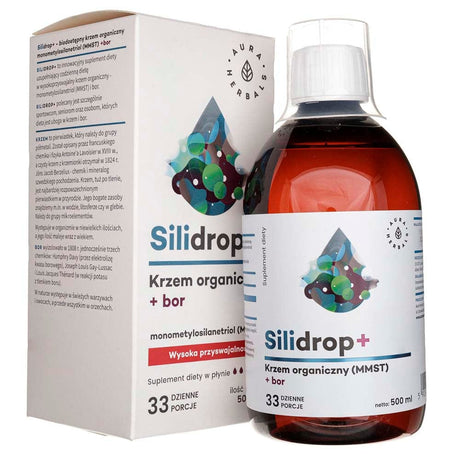


Aura Herbals
Aura Herbals Silidrop+ - organický kremík + bór - 500 ml
Bežná cena €22.39Jednotková cena€44.78 /l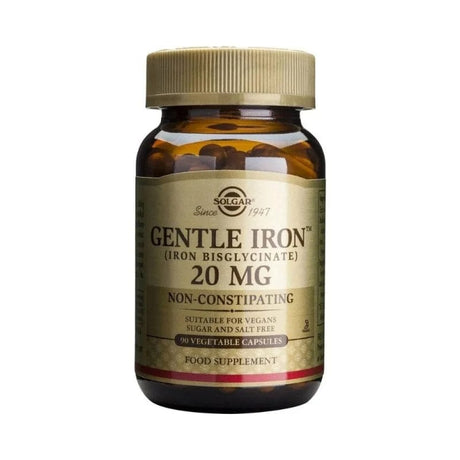
Solgar
Solgar Gentle Iron 20 mg - 90 rastlinných kapsúl
Bežná cena €19.59Jednotková cena€0.22 za položku


Aliness
Aliness Vitamín C 1000 mg - 100 rastlinných kapsúl
Bežná cena €12.39Jednotková cena€0.12 za položku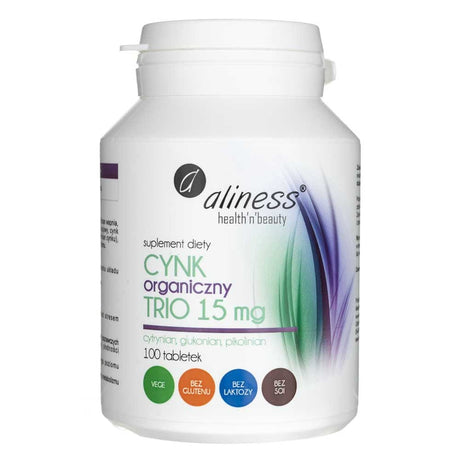


Aliness
Aliness Organic Zinc Trio 15 mg - 100 tabliet
Bežná cena €9.99Jednotková cena€0.10 za položku


Ako vybrať kvalitný borákový olej
Pri výbere borákového oleja je kľúčové zloženie,. Kvalitný produkt by mal mať približne nasledujúci profil mastných kyselín:
- ~40 % kyseliny linolovej
- ~15 % kyselina olejová
- Až 25 % GLA (kyselina gama-linolénová)
Tento pomer — alebo niečo, čo sa mu približuje — sa považuje za optimálny na podporu zdravia. Okrem toho, hľadajte olej, ktorý je:
- Lisovaný za studena — extrahovaný pri teplotách pod 40 °C, aby sa zachovali jeho citlivé mastné kyseliny
- Nefiltrovaný a nerafinovaný — minimálne spracovanie zachováva celé spektrum prospešných zložiek
- Jasne označený — s presnými percentuálnymi podielmi kľúčových mastných kyselín uvedenými na obale
Skladovanie
Borákový olej by sa mal uchovávať na chladnom, a tienistom mieste — chladnička je vynikajúcou voľbou. Rovnako ako iné oleje bohaté na GLA, je citlivý na svetlo a teplo, preto je správne skladovanie nevyhnutné na zachovanie jeho účinnosti a predĺženie trvanlivosti.
Nedocenený prírodný spojenec
Borákový olej síce nemá takú slávu ako olivový olej alebo rybí olej, ale vďaka svojmu jedinečne vysokému obsahu GLA je jedným z najzaujímavejších rastlinných doplnkov pre tých, ktorí trpia zápalovými ťažkosťami, kožnými problémami, alebo hormonálnou nerovnováhou. Jeho bohatý obsah minerálov a vitamínov mu dodáva ďalšiu všestrannosť. Pre každého, kto chce rozšíriť svoju výbavu pre prirodzené zdravie nad rámec bežných možností, je borákový olej objavom, ktorý stojí za to. Objavte náš kompletný sortiment bylinných doplnkov pre ďalšie rastlinné riešenia v oblasti zdravia.
Kľúčové zhrnutie: Borákový olej je jedným z najbohatších prírodných zdrojov kyseliny gama-linolénovej (GLA), mastnej kyseliny, ktorá môže podporovať zdravie pokožky, zmierňovať zápalové ťažkosti, a pomáhať s hormonálnou rovnováhou. Pre dosiahnutie najlepších výsledkov si vyberte za studena lisovaný, nerafinovaný olej s jasne označeným obsahom GLA, a uchovávajte ho v chladničke.
Tento článok má iba informatívny charakter a nenahrádza lekársku radu. Ak máte zdravotné ťažkosti, ste tehotná, dojčíte alebo užívate lieky, poraďte sa s lekárom alebo lekárnikom. Doplnky výživy nenahrádzajú pestrú stravu.


