

V malých, čiernych ako uhoľ semenách Nigella sativa – kvitnúcej rastliny pochádzajúcej zo Stredného východu a Stredozemia – sa nachádza jeden z najviac skúmaných prírodných olejov v tradičnej bylinné medicíne. Olej z čierneho kmeňa sa používa už tisíce rokov v severnej Afrike, na Blízkom východe, a v Ázii, a moderný výskum sa čoraz viac zaujíma o jeho bioaktívne zlúčeniny. Toda Odporúča sa najmä ľuďom trpiacim rôznymi formami alergií: dýchacích aj kožných. Tu je zoznam toho, čo olej obsahuje, ako pôsobí a ako ho efektívne používať. Čo obsahuje olej z čierneho kmeňa? Zdravotné účinky oleja z čierneho kmeňa vyplývajú z jeho mimoriadne bohatého nutričného profilu. Olej je bohatý na UNS nasýtené mastné kyseliny — predovšetkým kyselinu linolovú (omega-6), kyselinu olejovú (omega-9), a kyselinu alfa-linolénovú (omega-3) — ktoré tvoria väčšinu jeho zloženia. Okrem mastných kyselín,-lisovaný olej z čierneho kmeňa obsahuje vitamín E, beta-karotén, fytosteroly, saponíny, a širokú škálu minerálov vrátane horčíka, vápnika, zinku, železa, draslíka, a selénu.
Najvýznamnejšou a najviac študovanou bioaktívnou zložkou, je však, tymochinón — zlúčenina nachádzajúca sa v prchavej frakcii oleja. Tymoquinón je zodpovedný za veľkú časť antioxidačnej a protizápalovej aktivity oleja a je hlavným dôvodom jeho povesti ako doplnku podporujúceho liečbu alergií. Výskum naznačuje, že môže pomáhať modulovať imunitnú reakciu organizmu, čo ho robí obzvlášť zaujímavým pre ľudí náchylných na alergické reakcie.
Olej z čierneho kmeňa a podpora pri alergiách
Alergické reakcie sú do veľkej miery spôsobené uvoľňovaním histamínu — signálnej molekuly, ktorá spúšťa známe príznaky svrbenia, kýchania, slzenia očí, a zápalu kože. Tymoquinón v oleji z čierneho kmeňa bol skúmaný pre svoju schopnosť pomáhať regulovať histamínové dráhy a podporovať vyváženejšiu imunitnú reakciu. Pre ľudí s náchylnosťou k alergickým reakciám, môže zaradenie oleja z čierneho kmeňa do denného režimu pomôcť v priebehu času znížiť frekvenciu a závažnosť príznakov.
Je dôležité mať realistické očakávania: olej z čierneho kmeňa nie je rýchlo pôsobiace antihistaminikum. Jeho účinky sa prejavujú postupne, a zvyčajne je potrebné pravidelné, a dôsledné užívanie počas niekoľkých týždňov, kým sa prejavia viditeľné zlepšenia. Pre tých, ktorí si chcú udržať odolnosť imunitného systému po celý rok, naša kolekcia doplnkov stravy pre imunitný systém obsahuje rad produktov, ktoré môžu doplniť každodenné užívanie oleja z čierneho kmeňa.
Atopická Derma titis a kožné alergie
Olej z čierneho kmeňa má dobre etablovanú reputáciu v tradičnej aj súčasnej prírodnej starostlivosti o pleť pri podpore stavov spojených so zápalom a narušením bariéry. Pri atopickom Derma titis (ekzéme), sa olej používa vnútorne aj lokálne. Pri aplikácii na pokožku, môže pomôcť obnoviť ochrannú bariéru pokožky, znížiť začervenanie, a zmierniť svrbenie. Jeho profil mastných kyselín prispieva k prirodzenej lipidovej vrstve pokožky, zatiaľ čo protizápalové vlastnosti tymochinónu môžu pomôcť upokojiť lokálne imunitné reakcie.
Lokálne, sa olej z čierneho kmeňa môže používať aj na pleť náchylnú na akné, kde sa jeho antimikrobiálne a protizápalové vlastnosti považujú za prospešné. Zvyčajne sa nanáša priamo na postihnuté miesta alebo sa zmieša s existujúcim hydratačným krémom alebo nosným olejom. V prípade citlivej alebo reaktívnej pokožky, sa pred širším použitím odporúča vykonať test na malej ploche.
Tí, ktorí hľadajú doplnkové lokálne produkty, môžu nájsť vhodné možnosti aj v našej kolekcii produktov na starostlivosť o pokožku a telo.
Sezónne alergie a respiračné symptómy
Pre ľudí, ktorých alergie postihujú predovšetkým dýchací systém – chronický výtok z nosa, svrbenie očí, kýchanie počas peľovej sezóny – patrí olej z čierneho kmeňa medzi najčastejšie uvádzané prírodné podporné možnosti. Štúdie skúmali potenciál tymochinónu znižovať intenzitu príznakov respiračných alergií, čo naznačuje, že pri pravidelnom používaní môže prispievať k zníženiu upchatia nosa a podráždenia očí. Hoci by nemal nahrádzať predpísané lieky na alergiu, bežne sa používa ako doplnkový denný prípravok počas alergických sezón.
Olej z čierneho kmeňa lisovaný za studena v Medpak
Lisovanie za studena zachováva aktívne zložky oleja bez tepelného alebo chemického spracovania. Toto sú naše dostupné možnosti za studena lisovaných olejov, ktoré siahajú od štandardných až po väčšie rodinné balenia:
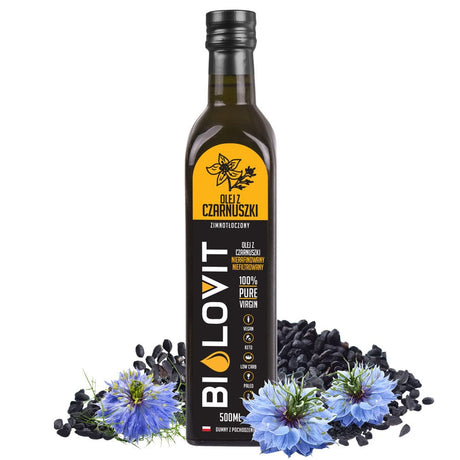


Bilovit
Bilovit Čierny rascový olej lisovaný za studena - 500 ml
Bežná cena €20.59Jednotková cena€41.18 /l
Olvita
Olvita Čierny rascový olej lisovaný za studena, neočistený - 250 ml
Bežná cena €20.59Jednotková cena€41.18 /l
Olvita
Olvita Čierny rascový olej lisovaný za studena, neočistený - 500 ml
Bežná cena €34.29Jednotková cena€68.58 /l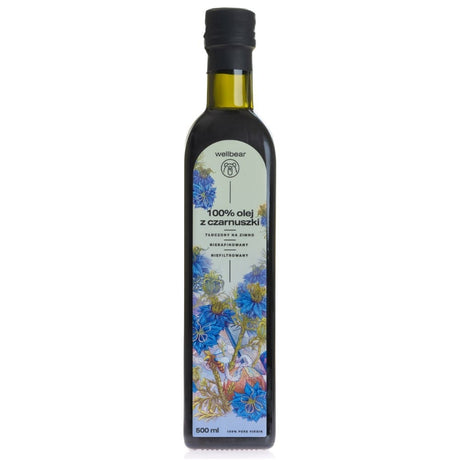


Wellbear
Wellbear Čierny rascový olej lisovaný za studena - 500 ml
Bežná cena €17.49Jednotková cena€34.98 /l
Purelab Marek Skoczylas
Skoczylas Olej zo semien čiernej rasce - 250 ml
Bežná cena €11.89Jednotková cena€47.56 /l


Olej z čierneho kmeňa pre deti
Olej z čierneho kmeňa sa tradične používa nielen u dospelých, ale aj u detí, najmä u tých, ktoré sú náchylné na časté prechladnutia, alergie, alebo kožné ochorenia. Výskum jeho imunomodulačných vlastností naznačuje, že môže podporovať normálnu funkciu imunitného systému u mladších jedincov, a olej sa v ľudovej medicíne v rôznych kultúrach používa ako všeobecné tonikum pre zdravie detí.
Olej z čierneho kmeňa má tiež dlhú históriu tradičného používania na podporu tráviaceho traktu, vrátane jeho použitia ako mierneho antiparazitika v ľudových tradíciách. Tieto použitia sú etnobotanicky dobre zdokumentované, hoci by sa rodičia mali vždy poradiť s pediatrom predtým, ako začnú podávať akýkoľvek doplnok dieťaťu so špecifickými zdravotnými problémami.
Odporúčané dávkovanie
- Do 12 mesiacov: neodporúča sa
- 12–24 mesiacov: ¼ čajovej lyžičky (približne 1 ml) denne
- 2–3 roky: ½ čajovej lyžičky denne
- Staršie deti a dospelí: 1 čajová lyžička až 1 polievková lyžica denne
Olvita vyrába špeciálne varianty svojho nerafinovaného oleja z čierneho kmeňa určené pre deti, ktoré sú k dispozícii v dvoch formátoch. Pre dospelých, ktorí uprednostňujú kapsulovú formu – alebo pre tých, pre ktorých je silná korenistá chuť oleja, výzvou – sú kapsulované varianty od Aliness a Swanson praktickou alternatívou. Všetky formáty si môžete prezrieť v našej sekcii kuchynské oleje a octy pre potravinárske oleje, alebo vyhľadajte formáty doplnkov v kapsulách nižšie:


Olvita
Olvita Olej z čiernej rasce lisovaný za studena, neočistený, pre deti, Blue - 250 ml
Bežná cena €16.99Jednotková cena€67.96 /l
Aliness
Aliness Olej zo semien čierneho kmeňa 500 mg – 120 kapsúl
Bežná cena €11.19Jednotková cena€0.09 za položku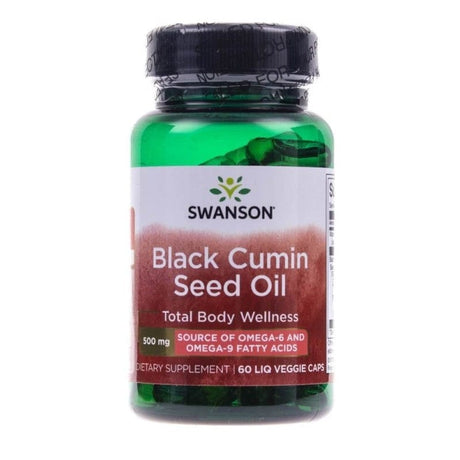
Swanson
Swanson Olej zo semien čierneho kmeňa 500 mg – 60 kapsúl
Bežná cena €7.09Jednotková cena€0.12 za položku


Swanson
Swanson Semená čierneho rasca 400 mg - 60 kapsúl
Bežná cena €6.69Jednotková cena€0.11 za položku


Ako používať olej z čierneho kmeňa v kuchyni
Olej z čierneho kmeňa má výraznú, korenistú, mierne horkastú chuť s teplým korenistým charakterom. Najlepšie sa používa za studena — pridáva sa do hotových jedál, nie do varených. Hodí sa ako zálievka na šaláty, pokvapkaný na cestoviny, zamiešaný do polievok tesne pred podávaním, pridaný do tvarohu, jogurtu alebo obilných jedál a zmiešaný do smoothie. Rovnako ako všetky nerafinované oleje lisované za studena, by sa nemal používať na vyprážanie alebo pečenie, pretože teplo rozkladá jeho aktívne zložky. Skladujte na chladnom, tmavom mieste a po otvorení spotrebujte čo najskôr.
Kontraindikácie
Olej z čierneho kmeňa je vo všeobecnosti dobre znášaný, existujú však niektoré dôležité situácie, kedy je potrebná opatrnosť.
Tento článok má iba informatívny charakter a nenahrádza lekársku radu. Ak máte zdravotné ťažkosti, ste tehotná, dojčíte alebo užívate lieky, poraďte sa s lekárom alebo lekárnikom. Doplnky výživy nenahrádzajú pestrú stravu.


