

Provitamín A, známejší ako beta-karotén, je oveľa viac než len doplnok na opálenie. Hoci je už dlho obľúbený medzi milovníkmi slnka vďaka svojej úlohe pri podporovaní prirodzeného zlatistého opálenia,, beta-karotén ponúka množstvo výhod, ktoré presahujú rámec pláže. Od ochrany zraku a posilnenia imunitného systému až po podporu čistejšej pleti a boj proti príznakom starnutia, je tento silný karotenoid jednou z najvšestrannejších zlúčenín v prírode.
Čo je beta-karotén
Beta-karotén patrí do rodiny karotenoidov — skupine prirodzene sa vyskytujúcich pigmentov zodpovedných za oranžovú, červenú, a žltú farbu, ktorú nájdeme v mnohých druhoch ovocia a zeleniny. Mrkva, sladké zemiaky, tekvica, marhule, a tmavá listová zelenina patria medzi najbohatšie zdroje v strave. Čo robí beta-karotén jedinečným, je to, že slúži ako prekurzor vitamínu A — telo ho podľa potreby, premieňa na retinol (, aktívnu formu vitamínu A), pričom v tomto procese využíva pečeňové enzýmy a UNS nasýtené mastné kyseliny. Tento mechanizmus premeny je jednou z najdôležitejších bezpečnostných vlastností beta-karoténu: telo produkuje len toľko vitamínu A, koľko potrebuje, čo znamená, že predávkovanie beta-karoténom zo stravy je prakticky nemožné. To je v kontraste s hotovým vitamínom A (retinolom), ktorý sa môže pri nadmernej konzumácii hromadiť na potenciálne škodlivé hladiny.
Beta-karotén pre pokožku a ochranu pred slnkom
Najznámejší prínos beta-karoténu súvisí so zdravím pokožky a vystavením slnku. Časť beta-karoténu, ktorý skonzumujete, sa ukladá priamo v koži, kde pôsobí ako prirodzený vnútorný slnečný filter. Môže pomôcť znížiť citlivosť na UV žiarenie, čo zase môže znížiť riziko spálenia slnkom a podporiť dlhšie trvajúce, a rovnomernejšie opálenie. Okrem toho je, beta-karotén tradične spájaný s ochranou pokožky pred pigmentovými škvrnami a zafarbením spôsobenými slnkom.
Pre tých, ktorí radi trávia čas vonku,, môže začatie doplnkovej liečby beta-karoténom približne dva týždne pred letnou sezónou pomôcť pripraviť pokožku na zvýšené vystavenie slnku. To však neznamená, že, beta-karotén nenahrádza lokálny UNS krém – najlepšie funguje ako súčasť komplexnej stratégie ochrany pred slnkom spolu s produktmi s SPF.
Okrem opálenia, beta-karotén zohráva širšiu úlohu vo vzhľade pokožky. Stimuluje produkciu a regeneráciu kolagénových vlákien, ktoré sú zodpovedné za udržanie pevnosti a pružnosti pokožky. Vďaka tomu je cenným spojencom v boji proti jemným vráskam a vráskam, ako aj proti fotostarnutiu – predčasnému starnutiu pokožky spôsobenému dlhodobým vystavením slnku. Ľudia s mastnou alebo k akné náchylnou pleťou môžu tiež oceniť tradičné spojenie beta-karoténu s reguláciou produkcie kožného mazu, čo môže pomôcť znížiť výskyt vyrážok. Pre komplexnú podporu pokožky zvnútra, objavte naše doplnky stravy pre vlasy, pokožku, a nechty.
Beta-karotén pre zdravie očí a zrak
Vitamín A — na ktorý sa beta-karotén premieňa — je nevyhnutný pre správne fungovanie zrakového systému. Tvorí kľúčovú súčasť rodopsínu, zrakového pigmentu nachádzajúceho sa v sietnici, ktorý nám umožňuje vidieť za podmienok slabého osvetlenia. Preto sa nedostatok vitamínu A v minulosti spájal s ťažkosťami pri videní v slabom osvetlení, často označovanými ako nočná slepota.
Beta-karotén môže tiež hrať ochrannú úlohu v dlhodobom zdraví očí. Výskum skúmal jeho potenciál na podporu makuly — časti sietnice zodpovednej za ostré centrálne videnie — a na prispievanie k udržaniu zdravého očného tkaniva s pribúdajúcim vekom. Často sa odporúča spolu s ďalšími živinami podporujúcimi zdravie očí, ako sú luteín a zeaxantín, ktoré spolu tvoria silné trio pre zdravie zraku.
Antioxidanty a podpora imunitného systému
Ako silný antioxidant, beta-karotén pomáha neutralizovať voľné radikály — UNS molekuly, ktoré môžu poškodiť bunky a prispievať k predčasnému starnutiu a rôznym zdravotným problémom. Tým, že inhibuje škodlivé oxidačné procesy, beta-karotén podporuje prirodzené obranné mechanizmy tela na bunkovej úrovni.
Beta-karotén tiež prispieva k zdravej rovnováhe cholesterolu. Podporou udržania zdravých hladín LDL cholesterolu, môže hrať úlohu v kardiovaskulárnom zdraví — pomáha udržiavať tepny čisté a podporuje celkové zdravie srdca. V kombinácii so svojimi vlastnosťami posilňujúcimi imunitu, je beta-karotén skutočne multifunkčnou živinou, ktorá prospieva telu zvnútra von.
Beta-karotén počas tehotenstva
Vitamín A je počas tehotenstva nevyhnutný, ale nadmerný príjem jeho predformovanej verzie (retinolu) môže predstavovať riziko pre vývoj plodu. Tu ponúka beta-karotén významnú výhodu. Keďže telo premieňa beta-karotén na vitamín A len podľa potreby, konzumácia beta-karoténu z potravinových zdrojov, ako sú mrkva, sladké zemiaky, a listová zelenina, sa považuje za bezpečnú a v skutočnosti sa odporúča počas tehotenstva, keď sa zvyšuje potreba tela po tejto živine.
Avšak, pri priamom užívaní doplnkov vitamínu A (retinolu) počas tehotenstva je potrebná opatrnosť. Užívanie doplnkov s hotovým vitamínom A by sa malo uskutočňovať iba pod lekárskym dohľadom, aby sa predišlo prekročeniu bezpečných hladín. Beta-karotén z potravinových zdrojov, na druhej strane, nepredstavuje prakticky žiadne riziko predávkovania vďaka samoregulačnému procesu premeny v tele.
Doplnky stravy s beta-karoténom v Medpak
Či už sa pripravujete na leto, podporujete svoj zrak, alebo chcete posilniť prirodzenú obranyschopnosť svojho tela, doplnky stravy s beta-karoténom ponúkajú pohodlný spôsob, ako zabezpečiť jeho pravidelný príjem. Prezrite si náš starostlivo vybraný sortiment od dôveryhodných medzinárodných značiek:
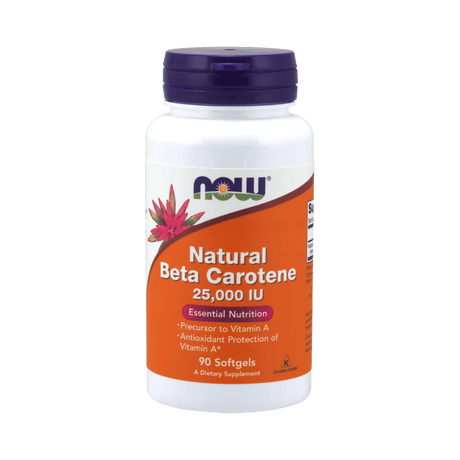
Now Foods
Now Foods Beta karotén Natural 7500 mcg (25000 IU) - 90 mäkkých gélov
Bežná cena €16.29Jednotková cena€0.18 za položku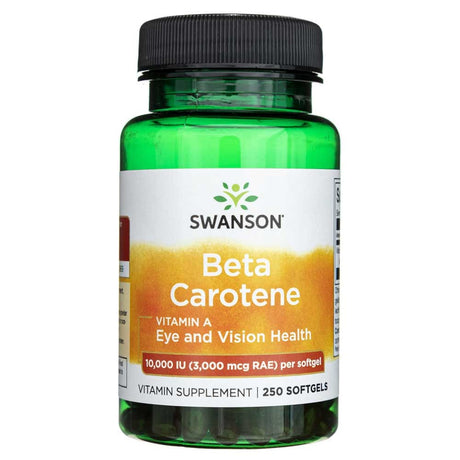


Swanson
Swanson Beta-karotén 10000 IU - 250 mäkkých gélov
Bežná cena €7.99Jednotková cena€0.03 za položku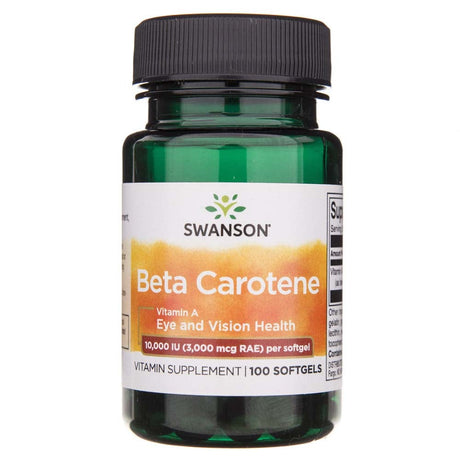


Swanson
Swanson Beta-karotén 10000 IU - 100 mäkkých gélov
Bežná cena €3.79Jednotková cena€0.04 za položku

 25% zľava
Vitaler's
Vitaler's Beta-karotén 3,8 mg, kvapky – 30 ml
Predajná cena €5.39 Bežná cena €7.19Jednotková cena€1.80 /10 ml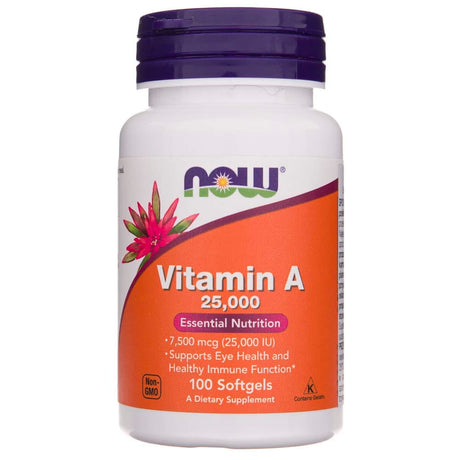


Now Foods
Now Foods Vitamín A 7500 mcg (25000 IU) - 100 mäkkých gélov
Bežná cena €7.29Jednotková cena€0.07 za položku


Kľúčové zhrnutie: Beta-karotén je jednou z najvšestrannejších živín v prírode — bezpečný, samoregulačný prekurzor vitamínu A, ktorý podporuje všetko od žiarivej pleti a odolnosti voči slnku až po ostrý zrak a silnú imunitu. Či už ho získate prostredníctvom stravy bohatej na farebnú zeleninu alebo prostredníctvom cielených doplnkov, je cenným doplnkom akejkoľvek wellness rutiny. Len nezabudnite: beta-karotén dopĺňa ochranu pred slnkom, ale nikdy nenahrádza UNS krém, a počas tehotenstva, ponúka bezpečnejšiu alternatívu k hotovému vitamínu A.
Tento článok má iba informatívny charakter a nenahrádza lekársku radu. Ak máte zdravotné ťažkosti, ste tehotná, dojčíte alebo užívate lieky, poraďte sa s lekárom alebo lekárnikom. Doplnky výživy nenahrádzajú pestrú stravu.


