

Výživné zložky stravy zohrávajú čoraz dôležitejšiu úlohu v našich každodenných rozhodnutiach týkajúcich sa zdravia. Výskumy naďalej potvrdzujú, že biologická aktivita konkrétnych živín môže mať významný vplyv na prevenciu chorôb, zlepšenie pohody, a celkovú kvalitu života. V mnohých prípadoch, tieto látky slúžia aj ako doplnková podpora popri konvenčnej zdravotnej starostlivosti. Jedným z takýchto silných – hoci relatívne neznámych – výživových doplnkov so širokou škálou potenciálnych prínosov je astaxantín. Ale stojí za to ho užívať?
Čo je astaxantín?
Astaxantín (C40H52O4) je chemická zlúčenina klasifikovaná ako xantofyl – derivát karoténov obsahujúci kyslík. Prirodzene sa vyskytuje v rôznych mikroorganizmoch a hubách, ale ľudské telo ho, žiaľ, nevytvára.
Prírodný astaxantín má obmedzenú rozpustnosť vo vode, napriek tomu sa vstrebáva účinnejšie ako iné karotenoidy, napríklad beta-karotén alebo lykopén. Podľa súčasného výskumu, sa astaxantín distribuuje do tkanív celého tela a dokáže prekonať hematoencefalickú bariéru — vlastnosť, ktorá ho odlišuje od mnohých iných antioxidačných zlúčenín.
Vzhľadom na vysoký celosvetový dopyt a obmedzené prírodné zdroje, sa odhaduje, že až 95 % komerčne dostupného astaxantínu sa vyrába chemickou syntézou. Hoci sa syntetické formy ľahšie rozpúšťajú vo vode, bývajú menej stabilné ako ich prírodné ekvivalenty.
Astaxantín z rias
Astaxantín prírodného pôvodu pochádza najčastejšie z jednobunkovej riasy Haematococcus pluvialis, ktorá predstavuje najbohatší známy zdroj tejto zlúčeniny. Alternatívnym zdrojom je Chlorella zofingiensis — hoci produkuje menšie množstvá astaxantínu, rastie rýchlejšie a dokáže akumulovať významné množstvá aj v náročných environmentálnych podmienkach.
Vedci naďalej skúmajú nové metódy extrakcie, a Toda a ako potenciálne zdroje sa skúmajú aj rôzne druhy kôrovcov, krevety, a kvasinky.
Potravinové zdroje astaxantínu
Hoci sa astaxantín na výrobu doplnkov stravy získava predovšetkým z rias, hlavnými potravinovými zdrojmi sú morské plody a ryby. Tu je niekoľko pozoruhodných príkladov s približným obsahom astaxantínu:
- Langusta — približne 15 mg na 100 g
- Krab — približne 12 mg na 100 g
- Krevety — približne 3–5 mg na 100 g
- Losos — približne 0,44 mg na 100 g
- Pstruh ružový — približne 0,28 mg na 100 g
Stojí za zmienku, že skutočný obsah astaxantínu sa výrazne líši v závislosti od podmienok prostredia a chovu. Ako naznačujú výskumy, samotný príjem v strave zvyčajne nestačí na dosiahnutie hladín spojených s významnými zdravotnými prínosmi — a práve tu môže byť užitočné doplnkové užívanie.
Vlastnosti astaxantínu a potenciálne prínosy
Vďaka svojej jedinečnej chemickej štruktúre, ktorá sa veľmi podobá štruktúre ľudských biologických membrán, vykazuje astaxantín silné antioxidačné vlastnosti. Ukázalo sa, že táto zlúčenina zachytáva voľné radikály rôzneho pôvodu – najmä reaktívne formy kyslíka a dusíka – a môže pomáhať chrániť endoteliálne bunky pred poškodením oxidačným stresom. Výskum tiež naznačuje, že môže zvyšovať aktivitu vlastných antioxidačných enzýmov v tele.
Astaxantín preukázal kardioprotektívne vlastnosti, pričom štúdie naznačujú, že môže prispievať k prevencii kardiovaskulárnych porúch. Najnovší výskum poukazuje na potenciálne antitrombotické účinky a možné zlepšenie elasticity stien ciev, čo z neho robí zaujímavú zlúčeninu pre tých, ktorí hľadajú podporu svojho kardiovaskulárneho zdravia.
Nové oblasti výskumu
Niektoré z najzaujímavejších aspektov farmakologickej aktivity astaxantínu sa stále odhaľujú. Vedci v súčasnosti skúmajú jeho protizápalový potenciál. Dostupné dôkazy naznačujú, že táto zlúčenina môže znižovať hladiny prozápalových cytokínov v neutrofiloch, inhibovať tvorbu zápalových mediátorov, a znižovať hladiny C-reaktívneho proteínu ((CRP)). Výskumníci veria, že by to mohlo predstavovať významný krok vpred pri liečbe cievnych ochorení spojených s chronickým zápalom, ako je ateroskleróza.
Existuje tiež značný záujem o imunomodulačné vlastnosti astaxantínu. Podobne ako iné karotenoidy, zdá sa, že stimuluje imunitný systém, a súčasné štúdie naznačujú, že môže mať schopnosť inhibovať rast nádorov. Hoci sú tieto zistenia sľubné, na úplné pochopenie príslušných mechanizmov sú potrebné ďalšie klinické štúdie.
Použitie astaxantínu
Po požití, astaxantín prechádza sériou prirodzených chemických procesov a je transportovaný lymfatickým systémom do pečene. Na rozdiel od iných karotenoidov, sa neprevádza na vitamín A. Z pečene, sa krvným obehom dostáva do rôznych tkanív, kde môže plniť celý rad biologických funkcií.
Astaxantín sa používa na podporu prevencie a liečby kardiovaskulárnych ochorení. Podľa výskumníkov, môže tiež zohrávať dôležitú úlohu v sekundárnej prevencii — napríklad, pri riešení následkov infarktu myokardu.
Štúdie naznačujú, že astaxantín môže hrať významnú úlohu pri podpore osôb s bežnými zdravotnými problémami, vrátane cukrovky 2. typu a ochorení očí. Môže tiež prispievať k regenerácii kože a celkovej fyzickej výkonnosti.
V oblasti neurodegeneratívnych ochorení — ako je Alzheimerova choroba a Parkinsonova choroba — sa astaxantín ukázal ako sľubný pri podpore cerebrálneho krvného toku, kognitívnych funkcií, a ochrany neurónov pred degradáciou. Tieto zistenia z neho robia zlúčeninu, o ktorú sa čoraz viac zaujímajú všetci, ktorí sa snažia podporiť svoje mozgové a kognitívne zdravie.
Astaxantín a regulácia hmotnosti
Výskum naznačuje, že astaxantín môže mať priaznivý vplyv na reguláciu telesnej hmotnosti. Ako? Zdá sa, že táto zlúčenina podporuje zdravú hladinu cukru v krvi a cholesterolu, a zároveň podporuje využitie – namiesto ukladania – mastných kyselín v tele. Inými slovami, môže posilniť schopnosť tela využívať existujúce tukové zásoby na energiu.
Hoci sú tieto zistenia povzbudivé, na úplné pochopenie presných mechanizmov, prostredníctvom ktorých môže astaxantín ovplyvňovať reguláciu hmotnosti, sú stále potrebné ďalšie klinické štúdie.
Astaxantín a zdravie štítnej žľazy
Antioxidantné vlastnosti astaxantínu môžu mať osobitný význam pre osoby trpiace poruchami štítnej žľazy. Dysfunkcia štítnej žľazy je často spojená so zvýšenými hladinami zápalových buniek a voľných radikálov, a výsledné oxidačné poškodenie spôsobené hormónmi štítnej žľazy môže prispievať k progresii srdcového zlyhania a poškodeniu DNA.
Jednou z kľúčových stratégií pri liečbe ochorení súvisiacich so štítnou žľazou je zníženie týchto patofyziologických mechanizmov — čo vysvetľuje rastúci vedecký záujem o potenciálnu úlohu astaxantínu pri podpore štítnej žľazy.

Now Foods
Now Foods Astaxanthin 4 mg - 90 mäkkých gélov
Bežná cena €27.79Jednotková cena€0.31 za položku

Life Extension
Life Extension Astaxanthin 4 mg s fosfolipidmi - 30 mäkkých gélov
Bežná cena €14.49Jednotková cena€0.48 za položku


Nutrex Hawaii
Nutrex Hawaii BioAstin Hawaiian Astaxanthin 4 mg - 120 mäkkých gélov
Bežná cena €55.89Jednotková cena€0.47 za položku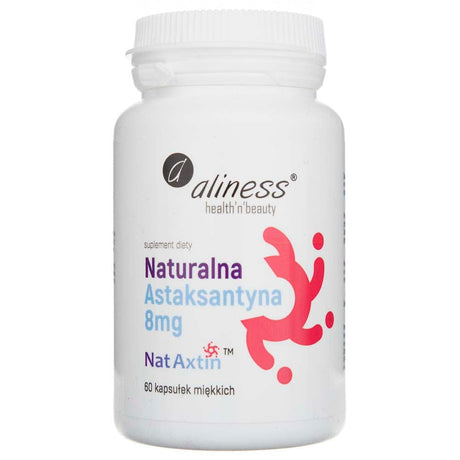


Aliness
Aliness Prírodný astaxantín 8 mg - 60 mäkkých gélov
Bežná cena €22.09Jednotková cena€0.37 za položku


Swanson
Swanson Astaxanthin 4 mg - 60 mäkkých gélov
Bežná cena €13.89Jednotková cena€0.23 za položku


Dávkovanie astaxantínu
Podľa zdravotníckych odborníkov, sú dávky nad 4 mg astaxantínu vo všeobecnosti dostatočné na vyvolanie fyziologického účinku na organizmus. Doplnky stravy môžu obsahovať až trojnásobok tohto množstva, čo predstavuje maximálnu odporúčanú dennú dávku. Rovnako ako pri každom doplnku, je dôležité dodržiavať odporúčania výrobcu – pri väčšine kvalitných produktov s astaxantínom, to zvyčajne znamená 1–2 kapsuly denne.
Kontraindikácie a bezpečnosť astaxantínu
Astaxantín sa vo všeobecnosti považuje za bezpečný. Štúdie nezistili žiadne významné vedľajšie účinky, ani pri dávkach presahujúcich odporúčané množstvo. Nadbytok astaxantínu sa v tele nehromadí a je relatívne rýchlo vylúčený — jeho polčas rozpadu je približne 52 hodín.
Platia však, určité opatrenia. Astaxantín by nemali užívať osoby so známou alergiou na morské plody. Tehotné a dojčiace ženy, ako aj osoby s poruchami zrážanlivosti krvi, autoimunitnými ochoreniami, alebo hypertenziou, by sa mali pred užívaním poradiť s lekárom.
Viac ako len základy: Čo ešte môže astaxantín urobiť?
Prínosy astaxantínu presahujú jeho antioxidačné a kardiovaskulárne vlastnosti. Výskum naznačuje, že môže zlepšiť stav pokožky, pomôcť znížiť výskyt vrások, a zmierniť niektoré symptómy spojené s menopauzou. Aj muži môžu mať prospech z doplnkov s astaxantínom, keďže štúdie naznačujú, že môže podporovať vitalitu a plodnosť.
Astaxantín predstavuje dôležitý prvok funkčnej výživy — kombinuje vlastnosti potravinového produktu s vlastnosťami farmaceutickej zlúčeniny, čím poskytuje široké účinky podporujúce zdravie. Zatiaľ čo vedci naďalej odhaľujú jeho plný terapeutický potenciál, dostupné dôkazy Toda y sú silným argumentom pre zaradenie astaxantínu do komplexnej rutiny starostlivosti o zdravie. Pre tých, ktorí majú záujem preskúmať širšiu škálu ochranných zlúčenín, naša kolekcia na podporu imunity ponúka ďalšie možnosti, ktoré stojí za zváženie.


Now Foods
Now Foods Astaxantín 4 mg - 60 mäkkých gélov
Bežná cena €15.79Jednotková cena€0.26 za položku
 10% zľava
Life Extension
Life Extension Astaxantín s fosfolipidmi - 30 kapsúl
Predajná cena €20.86 Bežná cena €23.29Jednotková cena€0.70 za položku


Aliness
Aliness Krill Oil NKO Omega 3 s astaxantínom 500 mg - 60 kapsúl
Bežná cena €17.89Jednotková cena€0.30 za položku


Tento článok vychádza z publikovaných vedeckých výskumov, vrátane štúdií E. Pogorzelskej, J. Hamułku, a A. Wawrzyniaka (Varšavskej univerzity prírodných vied), M. Sieradzka a J. Kołodziejczyk-Czepas (z Univerzity v Łódźi), a M. Pytka et al. (z Lekárskej univerzity v Gdańsku). Je poskytnutý výlučne na informačné účely a nepredstavuje lekárske odporúčanie.
Tento článok má iba informatívny charakter a nenahrádza lekársku radu. Ak máte zdravotné ťažkosti, ste tehotná, dojčíte alebo užívate lieky, poraďte sa s lekárom alebo lekárnikom. Doplnky výživy nenahrádzajú pestrú stravu.


