

Popraskaná a podráždená pokožka na rukách patrí medzi najčastejšie – a najnepríjemnejšie – kožné problémy. A nejde len o zimný problém. Každý deň sú vaše ruky vystavené pôsobeniu čistiacich prostriedkov, častému umývaniu a nepredvídateľným poveternostným podmienkam. Krém na ruky je zrejmé riešenie, ale keď príde na výber toho správneho, samotný počet dostupných produktov môže rozhodnutie prekvapivo sťažiť. Rozdielom je pochopenie toho, čo vaše ruky skutočne potrebujú – a ktoré zložky prinášajú skutočné výsledky.
Prečo je starostlivosť o ruky dôležitejšia, než si myslíte
Koža na dlaniach a chrbtoch rúk sa zásadne líši od kože na zvyšku tela. Dlaň je úplne bez mazových žliaz a zvyčajne postráda ochrannú lipidovú vrstvu, ktorú ostatné časti tela produkujú prirodzene. To znamená, že vaše ruky nemajú prakticky žiadnu prirodzenú ochranu proti vonkajším vplyvom – studený vzduch, horúca voda, čistiace prostriedky, vietor a fyzická práca si vyberajú svoju daň bez ochrany prirodzených olejov.
Preto nie je starostlivosť o ruky luxusom ani čisto kozmetickou záležitosťou – je to základná nevyhnutnosť pre zdravie pokožky. A keďže žiadny z faktorov, ktoré poškodzujú pokožku rúk, nie je špecifický pre jedno pohlavie,, pravidelná starostlivosť o ruky je rovnako dôležitá pre mužov aj ženy.
Základné funkcie dobrého krému na ruky
Pred výberom produktu, je užitočné pochopiť dve základné úlohy, ktoré musí každý účinný krém na ruky plniť:
Hydratácia. Hlavným účelom každého krému na ruky je dodávať a udržať vlhkosť. Dobre hydratovaná pokožka je pružnejšia a ohybnejšia, čo zabraňuje popraskaniu a odlupovaniu, ktoré vedú k nepohodliu, páleniu, a dokonca aj bolesti. Pravidelná hydratácia je liečbou aj preventívnym opatrením.
Vyhladzovanie. Hrubá, textúra pokožky na rukách je často prvým znakom toho, že kožná bariéra je narušená. Dobrý krém na ruky obnovuje hladkosť tým, že dopĺňa lipidy a zmäkčuje vonkajšie vrstvy pokožky. Ak sa nelieči, drsná pokožka rýchlo prechádza do suchosti, napätia a viditeľných trhlín.
Kľúčové zložky, na ktoré sa treba zamerať
Účinnosť akéhokoľvek krému na ruky závisí od jeho zloženia. Pri hodnotení produktu, skontrolujte zoznam zložiek (INCI), či obsahuje nasledujúce zložky – pamätajte, že zložky sú uvedené v zostupnom poradí podľa koncentrácie:
Oleje – slúžia ako základ väčšiny krémov na ruky. Zvlhčujú, vytvárajú na pokožke ochrannú vrstvu, a pôsobia ako nosiče pre ďalšie aktívne zložky, ako sú vitamíny. Medzi najčastejšie používané a najúčinnejšie oleje v starostlivosti o ruky patria jojobový, kokosový, a sladký mandľový olej.
Zmäkčovače — zmäkčujú a vyhladzujú pokožku tým, že vyplňujú medzery medzi kožnými bunkami. K hlavným zmäkčovačom patria lanolín, bambucké maslo, a včelí vosk. Tieto zložky sú obzvlášť cenné v hustejších, a viac ochranných zloženiach.
Vitamíny — prispievajú k regeneračným a ochranným vlastnostiam. Vitamín E je v starostlivosti o ruky obzvlášť cenený pre svoje antioxidačné účinky a schopnosť podporovať regeneráciu pokožky. Vitamín A podporuje obnovu buniek, zatiaľ čo vitamín C prispieva k syntéze kolagénu.
Bylinné a rastlinné výťažky — prírodné rastlinné zložky sú šetrné k pokožke a zároveň poskytujú cielené účinky. Medzi bežné príklady patrí harmanček (upokojujúci), nechtík lekársky (regeneračný), a aloe vera (hydratačný a chladivý).
Voda — hlavný hydratačný prostriedok vo väčšine receptúr. Slúži tiež ako nosič pre ostatné aktívne zložky a pomáha vyvažovať ťažšie zložky na báze oleja,.
Druhy krémov na ruky — nájdenie toho pravého pre vás
Krémy na ruky sú vyvinuté na rôzne účely. Určenie vášho konkrétneho problému pomáha zúžiť výber správneho typu produktu:
Hydratačné krémy sa zameriavajú na hlbokú hydratáciu a sú najuniverzálnejšou voľbou na každodenné použitie. Sú vhodné pre každého, kto má suchú, drsnú, alebo šupinatú pokožku, a pri pravidelnom používaní sú rovnako účinné aj ako preventívne opatrenie.
Ochranné krémy zanechávajú na pokožke tenký film, ktorý pôsobí ako bariéra proti vonkajším vplyvom. Tieto sa odporúčajú najmä ľuďom, ktorí pracujú vonku, často si umývajú ruky alebo sú pravidelne vystavení vode a chemikáliám.
Výživné krémy pôsobia proaktívne a dodávajú živiny, ktoré zabraňujú vysušovaniu a podráždeniu pokožky. Sú ideálne na každodennú starostlivosť, skôr než sa objavia problémy.
Regeneračné krémy sú intenzívne prípravky určené pre pokožku, ktorá je už popraskaná, veľmi suchá, alebo viditeľne poškodená. Poskytujú okamžitý prílev vlhkosti a regeneračných zložiek, ktoré rýchlo obnovujú pocit pohodlia.
Krémy proti starnutiu rúk sa zameriavajú na pevnosť, pružnosť, a pigmentáciu. Rozjasňujú pigmentové škvrny, zabraňujú vzniku nových zafarbení, a pomáhajú udržať pokožku rúk mladistvú. Tieto sú vhodné najmä pre zrelú pleť.
Špecializované krémy sú vyvinuté pre veľmi náročné stavy pokožky, vrátane atopického Derma titis, ekzému, a psoriázy. Zvyčajne obsahujú klinicky účinné zvlhčovače, ako je močovina, vo vyšších koncentráciách a neobsahujú bežné dráždivé látky.
Objavte našu kolekciu produktov na starostlivosť o ruky, ktorá ponúka rad starostlivo vybraných produktov pre každý typ pokožky.
Najúčinnejšie zložky krémov na ruky — rebríček
Ak sa chcete vyhnúť marketingovým trikom a zamerať sa na to, čo skutočne funguje, tu sú zložky s najlepšími výsledkami v starostlivosti o ruky:
Močovina — prirodzene sa vyskytujúca zlúčenina v pokožke, ktorá pôsobí ako silný zvlhčovač, priťahujúci a viažuci vodu, aby pokožka zostala hydratovaná. Zvyšuje tiež penetráciu ostatných aktívnych zložiek, čím zvyšuje účinnosť celého zloženia. Koncentrácie 5–10 % sú ideálne na každodenné použitie; vyššie koncentrácie (20 %+) sa používajú na veľmi suchú alebo popraskanú pokožku.
Glycerín — jedna z najúčinnejších a najviac preskúmaných zvlhčujúcich látok, ktoré sú k dispozícii. Podobne ako močovina, má hygroskopické vlastnosti, a priťahuje vodu z okolia do pokožky. Hydratuje, zmäkčuje, a pomáha obnoviť kožnú bariéru.
Bambucké maslo — bohatý, prírodný zmäkčovač, ktorý hydratuje, vyživuje, a regeneruje. Jeho zloženie mastných kyselín sa veľmi podobá prirodzeným lipidom pokožky, vďaka čomu je výnimočne dobre znášanlivý a účinný.
Keratín — ideálny pre extrémne suché a poškodené ruky. Keratín preniká do hĺbky a pomáha opravovať a hydratovať aj tie najhlbšie vrstvy pokožky. Je obzvlášť cenný v regeneračných prípravkoch.
Lanolín — získavaný z ovčej vlny, lanolín vyhladzuje, obnovuje vodnú rovnováhu pokožky, a účinne vyživuje. Vytvára priedušnú ochrannú vrstvu bez pocitu ťažkosti.
Avokádový olej — bohatý na vitamíny A a D, avokádový olej vyhladzuje jemné vrásky, podporuje pokožku postihnutú stavmi súvisiacimi so suchosťou, a dodáva hlbokú vlhkosť silne dehydratovanej pokožke.
Zimná starostlivosť o ruky — Čo sa mení?
Chladné počasie si vyžaduje iný prístup k starostlivosti o ruky. Nízke teploty, suché vnútorné kúrenie, a ostrý vietor vytvárajú obzvlášť drsné prostredie pre nechránenú pokožku. Zimný krém na ruky musí poskytovať intenzívnu hydratáciu a silnú ochrannú bariéru proti chladu.
Na zimu, hľadajte krémy obsahujúce:
- vitamín E — antioxidačnú ochranu a podporu regenerácie pokožky
- alantoín — upokojujúcu, regeneračnú zložku, ktorá upokojuje podráždenie
- ceramidy — esenciálne lipidy, ktoré posilňujú kožnú bariéru
- Bohaté oleje — ako napríklad mandľový alebo avokádový olej, pre hlbokú výživu
Kľúčovým princípom zimnej starostlivosti o ruky je, že krém by mal byť bohatý a na olejovej báze, nie na vodnej báze. Pri mrazivých teplotách, môžu prípravky s vysokým obsahom vody suchosť v skutočnosti zhoršiť, zatiaľ čo hustejší, krém bohatý na lipidy vytvára ochranný film, ktorý chráni pokožku pred chladom a vetrom.
Podpora zdravia pokožky zvnútra
Vonkajšia starostlivosť je nevyhnutná, ale stav vašej pokožky odzrkadľuje aj to, čo sa deje vo vnútri vášho tela. Niektoré živiny hrajú priamu úlohu pri udržiavaní integrity, hydratácie, a regeneračnej schopnosti pokožky — a ich dopĺňanie môže z vnútornej strany doplniť vašu rutinu starostlivosti o ruky:
Vitamín E — ten istý antioxidant, ktorý zvyšuje účinnosť krémov na ruky, pôsobí aj zvnútra, a pomáha chrániť kožné bunky pred oxidačným stresom a podporuje pružnosť.
Vitamín A — prispieva k normálnej údržbe pokožky a obnove buniek. Kombinovaný doplnok A + E môže byť obzvlášť účinný pri dopĺňaní zameranom na pokožku.
Kolagén + vitamín C — vitamín C je nevyhnutný pre vlastnú produkciu kolagénu v tele, ktorý udržiava štruktúru pokožky, jej pevnosť, a schopnosť hojenia.
Biotín — prispieva k udržaniu normálnej pokožky a je obzvlášť dôležitý pre tých, ktorí trpia pretrvávajúcou suchosťou alebo krehkosťou pokožky aj nechtov.


Now Foods
Now Foods Vitamín E-400 so zmesou tokoferolov - 100 mäkkých gélov
Bežná cena €16.79Jednotková cena€0.17 za položku


Aura Herbals
Aura Herbals Colladrop - tekutý rybí kolagén + vitamín C - 500 ml
Bežná cena €13.59Jednotková cena€27.18 /l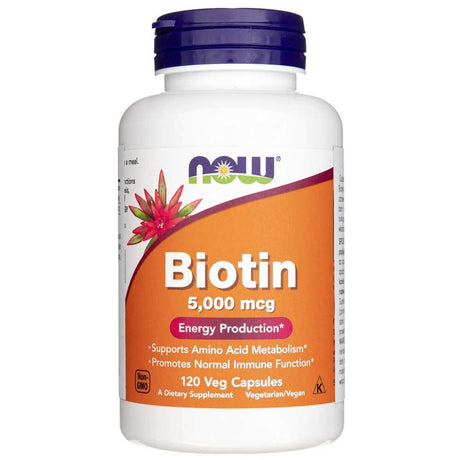


Now Foods
Now Foods Biotín 5000 mcg - 120 veg. kapsúl
Bežná cena €13.69Jednotková cena€0.11 za položku


Ak hľadáte kompletný sortiment doplnkov stravy na podporu pokožky, prehliadnite si našu kolekciu pre vlasy, pokožku a nechty. A ak hľadáte produkty na lokálnu starostlivosť, prezrite si našu ponuku pleťových vôd, masiel, krémov a telových olejov, aby ste našli to správne riešenie pre starostlivosť o vaše ruky.
Vytvorenie kompletnej rutiny starostlivosti o ruky
Zdravé, a pohodlné ruky vyžadujú kombináciu správnych vonkajších produktov a dôsledných návykov. Vyberte si krém na ruky prispôsobený vášmu typu pleti a ročnému obdobiu, nanášajte ho aspoň dvakrát denne (a po každom umytí rúk), a podporujte svoju pokožku zvnútra pomocou cielených doplnkov stravy. Vaše ruky pracujú tvrdšie ako takmer akákoľvek iná časť vášho tela — zaslúžia si starostlivosť, ktorá zodpovedá tomuto úsiliu. Objavte našu ponuku produktov osobnej starostlivosti a krásy, kde nájdete komplexný výber produktov, ktoré udržia vašu pokožku v najlepšej kondícii.
Kľúčové zhrnutie: Účinná starostlivosť o ruky začína výberom správnych zložiek – močovina, glycerín, bambucké maslo, a vitamín E patria medzi najosvedčenejšie. V zime používajte výživnejšie krémy na olejovej báze, v teplejších mesiacoch ľahšie hydratačné prípravky a podporujte zdravie pokožky zvnútra doplnkami vitamínu E, kolagénu a biotínu.
Tento článok má iba informatívny charakter a nenahrádza lekársku radu. Ak máte zdravotné ťažkosti, ste tehotná, dojčíte alebo užívate lieky, poraďte sa s lekárom alebo lekárnikom. Doplnky výživy nenahrádzajú pestrú stravu.


