

Koreň maca bol mimo Južnej Ameriky dlho prehliadaný, avšak v posledných rokoch jeho popularita výrazne vzrástla – predovšetkým ako prírodný doplnok pre sexuálne zdravie. Mnohé z najcennejších vlastností macy však zostávajú pre širšiu verejnosť relatívne neznáme. Po tisíce rokov sa peruánske domorodé komunity spoliehali na koreň maca nielen pre jeho účinky na libido a plodnosť, ale aj ako na prírodnú podporu hormonálnej rovnováhy, zdravia kostí, energetickej hladiny a odolnosti voči stresu.
Čo je maca?
Maca — bežne označovaná ako koreň maca — je koreňová zelenina z čeľade krížokvetých, ktorá sa pestuje vo vysokohorských oblastiach Peru už tisíce rokov. Rastlina vyrastá zo semien a svojím vzhľadom pripomína reďkovku, pričom zvyčajne dosahuje výšku len 10–20 centimetrov, hoci vyvíja pozoruhodne pevný koreň s obvodom okolo 15 centimetrov. Jej listy tvoria ružicu, a malé kvety sa zhlukujú okolo základu rastliny. Koreň maca sa vyskytuje v niekoľkých farebných variantoch – vrátane krémovej, svetloružovej, žltej, čiernej, červenej, zelenej a fialovej – z ktorých každá má mierne odlišné koncentrácie aktívnych zložiek. Koreň sa zvyčajne suší a spracúva na prášok, kapsuly, alebo tekuté výťažky na doplnky stravy. Koreň maca a mužské sexuálne zdravie. Koreň maca je tiež známy pod svojimi výstižnejšími názvami: peruánsky ženšen, poklad Inkov a – snáď najznámejšie – prírodná viagra. Práve jeho účinok na mužskú sexuálnu funkciu je hlavným dôvodom celosvetovej popularity macy. Výskum naznačuje, že maca môže pomáhať zvyšovať libido u mužov bez priameho ovplyvňovania hladín pohlavných hormónov v krvi. Štúdie tiež naznačujú, že môže podporovať erektilnú funkciu, zvyšovať produkciu spermií, a zlepšovať ich pohyblivosť — čo všetko môže prispievať k zlepšeniu mužskej plodnosti.
Predpokladá sa, že tieto účinky súvisia, aspoň čiastočne, s bohatým obsahom bielkovín v mace, ktorý podporuje celkovú fyzickú vitalitu. Stále je predmetom vedeckej diskusie, či maca pôsobí ako skutočné afrodiziakum, alebo či zlepšenie sexuálnej funkcie je dôsledkom jej širších revitalizačných účinkov na telo. Tak či onak, koreň maca sa stal základnou zložkou mnohých doplnkov stravy pre sexuálne zdravie, ktoré sú k dispozícii. Toda y.
Maca pre ženy: Podpora pri menštruácii a menopauze
Prínosy koreňa maca presahujú rámec mužského zdravia. Pre ženy, je jednou z najcennejších vlastností schopnosť zmierniť nepríjemné symptómy spojené s menštruáciou a menopauzou. Peruánske komunity používajú túto rastlinu už celé generácie na riešenie hormonálnej nerovnováhy, nepravidelných menštruácií, a symptómov menopauzy, ako sú návaly horúčavy, vaginálna suchosť, a strata energie.
Z pohľadu menstruujúcich žien a žien prechádzajúcich menopauzou, je obzvlášť dôležitým faktom, že maca neobsahuje fytohormóny. To znamená, že ju môžu bezpečne užívať ženy, ktoré sa musia vyhýbať látkam napodobňujúcim hormóny, pričom im stále poskytuje významnú podporu počas hormonálne náročných období života.
Koreň maca a zdravie kostí
Starší dospelí môžu tiež ťažiť z vlastností koreňa maca, a to predovšetkým vďaka jeho potenciálnej úlohe pri podpore hustoty kostí. Výskumy vykonané na zvieracích modeloch priniesli sľubné výsledky, najmä v kontexte osteoporózy vyplývajúcej z menopauzy. Štúdie naznačujú, že doplnky stravy s koreňom maca môžu podporovať rast kostnej hmoty, pomáhať obnovovať normálnu štruktúru kostí, a zvyšovať obsah vápnika v kostnom tkanive.
Tieto zistenia naznačujú, že doplnky stravy s koreňom maca počas postmenopauzálneho obdobia môžu pomáhať kompenzovať účinky klesajúcej hladiny estrogénu a podporovať udržanie zdravej kostnej minerálnej hustoty. Pre tých, ktorí majú záujem o komplexnú podporu kostry, ponúka naša kolekcia produktov pre kosti, kĺby, a chrupavky ďalšie možnosti.
Energia, Vytrvalosť, a duševný výkon
Nie je náhodou, že koreň maca sa nazýva peruánsky ženšen. Po stáročia, ho domorodí Peruánci používali ako revitalizujúci, energizujúci, a imunitu posilňujúci prostriedok. Legenda hovorí, že inckí bojovníci konzumovali koreň maca pred bitkou, aby zvýšili svoju silu a vytrvalosť. Maca sa odporúča ako prírodná podpora pri únave, slabosti, podvýžive a zníženej imunite. Môže byť obzvlášť prospešná v obdobiach chronického stresu, vyčerpania alebo depresie. Odporúča sa aj pre osoby čeliace zvýšeným mentálnym nárokom — ako sú študenti alebo profesionáli v náročných pozíciách — ako aj pre starších dospelých a tých, ktorí sa zotavujú z choroby. Pre športovcov môže obsah sterolov v maca — zlúčenín, ktoré fungujú spôsobom podobným anabolickým steroidom — podporovať budovanie svalov a pomáhať zachovať svalovú hmotu počas fázy redukcie.
Či už hľadáte prírodný zdroj energie alebo širšiu podporu zdravia, naša kolekcia energetických doplnkov ponúka celý rad možností, ktoré doplnia vašu rutinu.


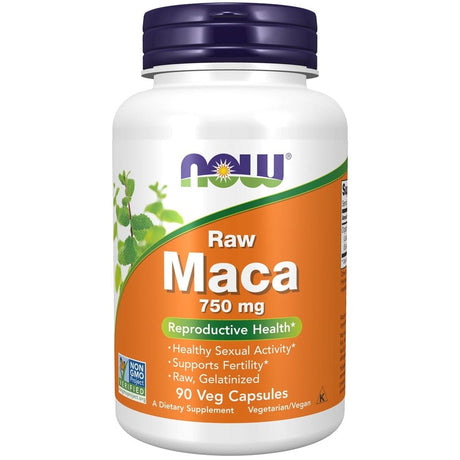


Now Foods
Now Foods Raw Maca 750 mg - 90 veg. kapsúl
Bežná cena €18.19Jednotková cena€0.20 za položku
 5% zľava
Naturtreu
Naturtreu HeldenKraft Maca Complex 20:1 pre mužov – 90 kapsúl
Predajná cena €32.83 Bežná cena €34.59Jednotková cena€0.36 za položku




Kontraindikácie koreňa maca
Hoci je koreň maca klasifikovaný ako adaptogén a je všeobecne považovaný za bezpečný, existujú určité situácie, v ktorých sa jeho užívanie neodporúča. Maca sama o sebe nie je toxická – môže dokonca podporovať prirodzené detoxikačné procesy v tele – ale osoby s zápalom prostaty môžu pri jej užívaní pociťovať nepohodlie.
Koreň maca by mali vyhnúť aj osoby s ochorením štítnej žľazy, pretože môže ovplyvňovať funkciu štítnej žľazy. Vzhľadom na vysoký obsah draslíka, sa neodporúča ľuďom s ochorením obličiek. Rovnako ako pri každom doplnku, je vhodné poradiť sa s lekárom pred začatím užívania macy – najmä ak máte existujúce zdravotné problémy.
Ako užívať koreň maca
Najtradičnejším spôsobom konzumácie koreňa maca je zmiešať prášok s vodou alebo ovocnou šťavou a užívať ho na prázdny žalúdok, pretože to môže zvýšiť vstrebávanie živín. Prášok z maca možno tiež pridať do smoothies a nápojov na rastlinnej báze, čím sa získa univerzálnejší spôsob užívania.
Toda y, Maca je široko dostupná vo forme kapsúl, tabliet, prášku, a kvapiek. Bez ohľadu na to, akú formu si vyberiete, je dôležité dodržiavať odporúčané dávkovanie výrobcu, aby ste zaistili bezpečné a účinné použitie.
Prečo si vybrať doplnky stravy s koreňom maca
Koreň maca je mimoriadne všestranná rastlina s dlhou históriou tradičného používania a rastúcim množstvom moderných výskumov, ktoré potvrdzujú jej prínosy. Od sexuálneho zdravia a hormonálnej rovnováhy až po energiu, podporu kostí, a duševnú výkonnosť, ponúka široké spektrum potenciálnych výhod pre mužov aj ženy. Prezrite si náš kompletný výber doplnkov stravy s maca v Medpak a objavte prirodzený spôsob, ako podporiť svoje každodenné zdravie.
Tento článok má iba informatívny charakter a nenahrádza lekársku radu. Ak máte zdravotné ťažkosti, ste tehotná, dojčíte alebo užívate lieky, poraďte sa s lekárom alebo lekárnikom. Doplnky výživy nenahrádzajú pestrú stravu.


